
Mental health conditions suffered by migrants

Among the most common diseases found in migrants are:
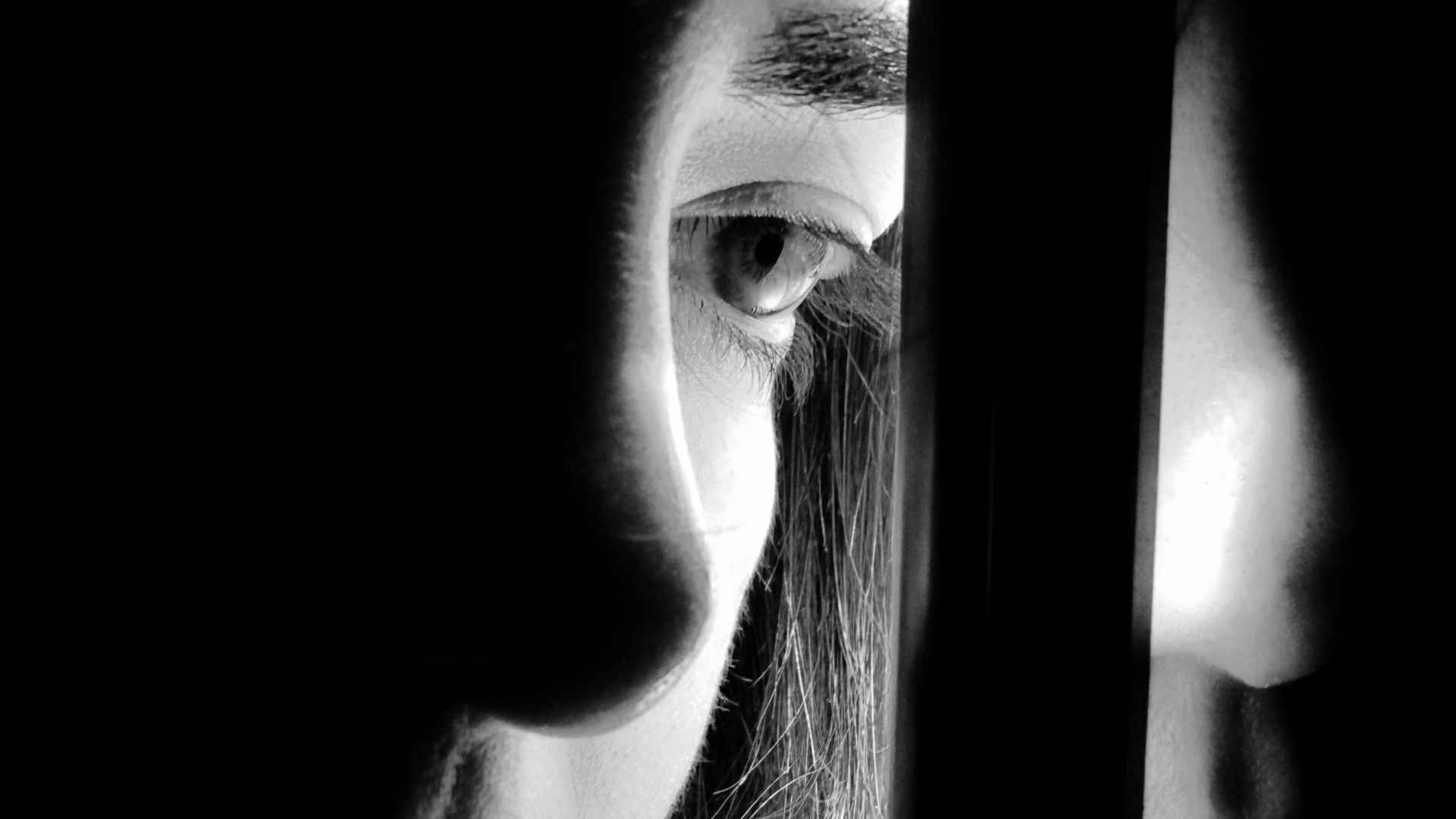
anxiety, depression, post-traumatic stress disorder, substance abuse, and feelings of low self-esteem.

“Mental health conditions constitute a silent epidemic that has affected the Americas long before COVID-19, with depression and anxiety being two of the leading causes of illness. The Region of the Americas also has the second highest level of alcohol consumption in the world,” said Carissa F. Etienne, Director of the Pan American Health Organization.

Why do they suffer from these diseases?

It is the lack of employment, poor housing conditions, and traumatic events before, during, and after migration that lead to psychological distress.

According to research by the Pan American Health Organization (PAHO) and the World Health Organization (WHO), factors such as lack of language proficiency and unfair treatment by the host country may be triggering states of loneliness and isolation.

On the other hand, in the results of post-traumatic stress disorders The greatest impact has been observed on refugees and asylum seekers, yielding a 31,46% in people exposed to conditions of violence, family separation and administrative barriers, among others.

Furthermore, there is evidence to support that immigrants in the United States use and have alcohol dependence. For example, among the refugees of Iraq and Cambodia, the prevalence rate of alcohol consumption ranged between 13% and 38%. 

How can we contribute to the solution?

According to German Cardenas, professor of psychology at Lehigh University, «activism social justice serve as a "coping mechanism that It helps protect your mental health.«

Collective struggles increase self-esteem and personal effectiveness, thus creating solidarity and offering a social perspective, which contributes to healing or treating mental health illnesses.

News report based on information taken from: Summary of a review of scientific literature on Health of International Migrants of the Pan American Health Organization (PAHO) and the World Health Organization (WHO)

Schedule your initial consultation https://asisvisa.com/asesoria-1-a-1/  
“Say no to the coyote” CBP advertising campaign that seeks to warn migrants of the dangers

U.S. Customs and Border Protection (CBP) launched a digital advertising campaign Wednesday to discourage migrants from the Northern Triangle (Guatemala, Honduras, and El Salvador) from undertaking the dangerous journey to the U.S. border.

The ads aim to convey a clear message: smugglers are lying; illegally entering the United States is a crime. They also emphasize that smugglers, known as "coyotes," exploit and profit from vulnerable migrants.

“Smugglers use lies to lure vulnerable people into embarking on a dangerous journey that often ends with their deportation or death,” said CBP Commissioner Chris Magnus. “This public awareness campaign is an important component of the U.S. government’s efforts to prevent tragedies and reduce irregular migration.”.

The message warns that those who attempt to cross the U.S. border without authorization will be immediately expelled from the country or subjected to immigration deportation proceedings. Furthermore, they will receive information about the thousands of migrants who end up imprisoned, kidnapped, extorted, or even left to die by unscrupulous transnational criminal organizations. 

In fiscal year 2021, the northern Central American countries accounted for 44% of migrant encounters along the southwest border.

Finally, this campaign has emerged from the joint work of the Department of Homeland Security (DHS) working closely with the State Department to track trends, share research, and coordinate messaging to counter the tactics used by smugglers to victimize vulnerable migrants.

These messages are an effort to counter the many lies spread by human traffickers and warn migrants about the dangers of being scammed and dying at the hands of these criminal organizations.

News report based on information from: U.S. Customs and Border Protection (CBP)

Mental health conditions experienced by undocumented immigrants in the U.S.

Germán Cadenas entered the United States at the age of 15 along with his mother and younger brother to visit his father; however, given the need in his native country, Venezuela, they decided to let their visas expire and stay in the USA, so Cadenas lived as an undocumented immigrant for 9 years.

After almost 10 years, at the age of 34, Cadenas was able to become a U.S. citizen, a professor of Psychology at Lehigh University, and has managed to publish a large amount of research focused on the psychology of undocumented immigrants.

According to research they have compiled over more than a decade, American immigrant communities have been shown to suffer from mental health conditions such as anxiety, depression, post-traumatic stress disorder, and feelings of low self-esteem.

Researchers and advocates say these mental health problems can be caused by being persecuted, detained, and marginalized, as well as feeling dehumanized in every possible way. Examples include exclusionary higher education, exploitative and low-paying employment practices, civil rights violations, and uncertainty in changing immigration policies.

Cadenas discovered that once immigrants identify systems that harm them mentally and then join social justice activism to resist and dismantle those same systems, their efforts serve as a "coping mechanism that helps defend their psychological health" and helps others heal.

That is why Germán created activist movements, from which to work on the traumas that, like him, many immigrants deal with.