Divorce: How does it affect your immigration status in the United States?

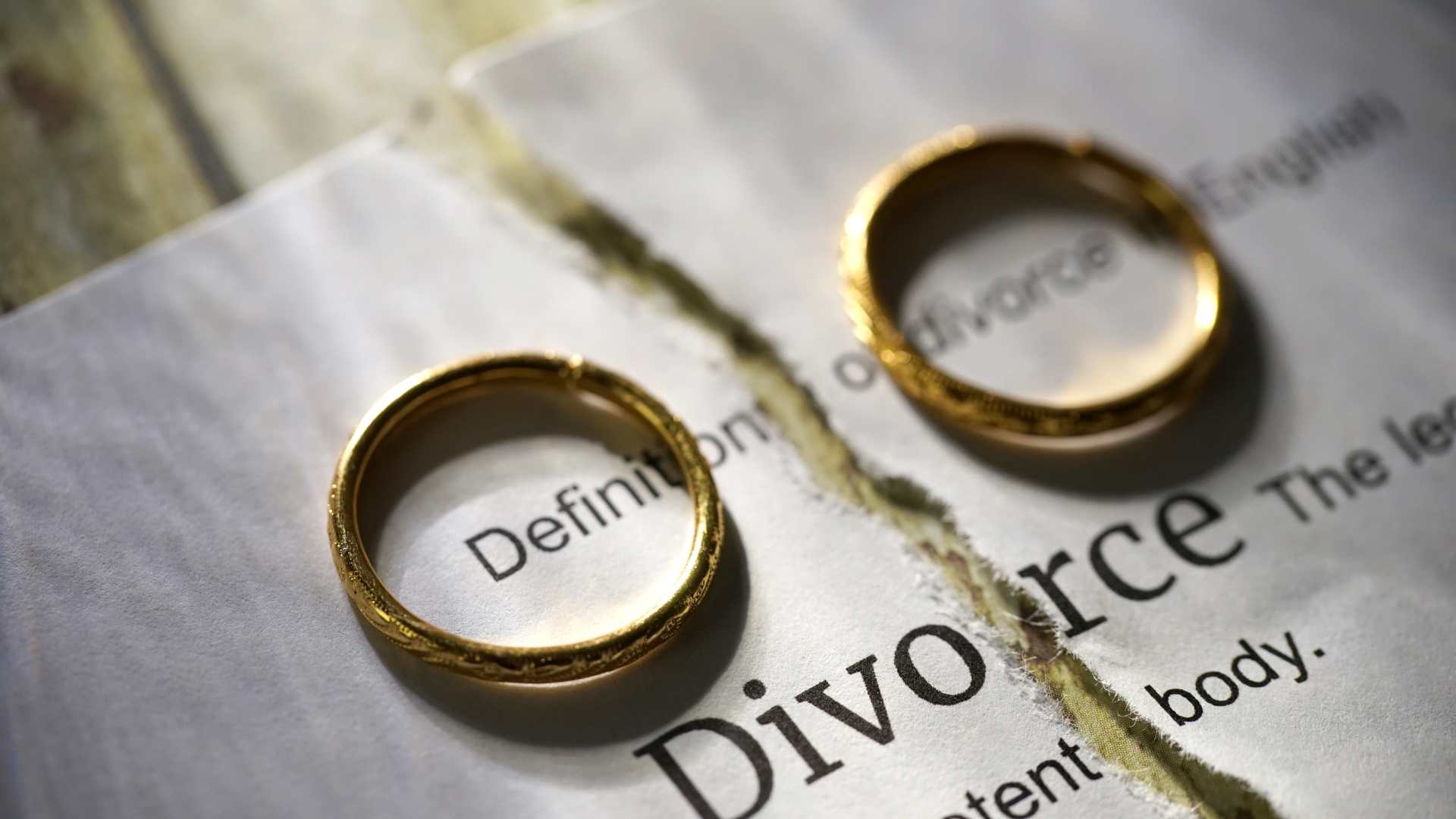
If you're in the process of filing a Family Petition based on marriage in the United States and would like to know what might happen if you get divorced, here's what you need to know!

What happens if you get divorced before obtaining your Green Card?
The impact of a divorce between an immigrant and a citizen or permanent resident depends on the stage of the immigration process the marriage is in. If you divorce before obtaining permanent residency, this could have a significant impact on your immigration status and your future in the United States.

Cases and exceptions

  1. Divorce before obtaining a Green CardIf you are currently in the process of a marriage petition, but you have not yet been scheduled for an interview, and the beneficiary does not have permanent residency, your immigration process will be halted. This means you will lose eligibility to apply for a green card, which could lead to your deportation.
  2. Divorce after obtaining a Green Card If you divorce after obtaining permanent residency, the risk of deportation is lower. However, there may still be consequences for obtaining citizenship, or the waiting time for permanent residency if you are a conditional resident may increase from 3 to 5 years because you are not married.
  3. Divorce and Conditional Green CardIf you get divorced while you're on conditional residency, your immigration process will likely be affected. To avoid the consequences, you can:
  • Submit Form I-751 to USCIS to request the removal of conditional residency due to marriage.
  • Submit an exemption from the joint filing requirement.
  • To prove that the marriage was in good faith.

    Divorce and Green Card for dependents
    Divorce can affect the immigration status of other family members who depend on the same immigration process as the immigrant spouse.

    Exceptions for appealing a deportation
    Demonstrate that they entered into a marriage in good faith and it was terminated due to a cause unrelated to the immigrant spouse.
    The immigrant spouse could face extreme hardship if deported to their country of origin.
    The immigrant spouse was a victim of extreme cruelty, physical or psychological abuse by the U.S. citizen or lawful permanent resident spouse.

    Need help? Contact us! +1 (786) 619 5937

    Discover the 3 Ways to Bring Your Spouse to the United States

    If you're eager to reunite with your spouse in the United States, you've come to the right place! Here are three key ways to complete this process and help your loved one become a legal immigrant. Read on to learn more about each option.

    Marriage Petition and Adjustment of Status:

    If you and your spouse are already in the United States, the Marriage Petition through Adjustment of Status process might be the best option for you. This application allows your spouse to remain in the country during the process and, if approved, gives them the opportunity to obtain the coveted Permanent Residency.

    It's important to note that if you're a U.S. citizen, you have the advantage of an unlimited number of visas available. However, if you're a legal resident, visa availability is limited, and your spouse could face a waiting list, with wait times of up to two years or more.

    Consular Marriage Petition:

    If your partner is currently in their home country and you wish to build a life together in the United States, a Consular Marriage Petition is the right path. After visa approval, your partner can travel to the United States and begin the process of obtaining permanent residency.

    Fiancé(e) Visa:

    This option is specifically designed for foreign fiancés of U.S. citizens. After arriving in the United States, the couple has 90 days to marry. Once married, the foreign spouse can apply for adjustment of status to obtain permanent residency and continue building their life together in the United States.

    It is essential to keep in mind that immigration procedures can change, and it is recommended to consult the official USCIS website or seek legal advice for accurate and up-to-date information. Furthermore, immigration laws can vary, and each case may present unique circumstances.

    Get ready to begin this exciting journey with your spouse toward a new life in the United States! Remember to stay informed about legal updates and any changes in procedures to ensure a smooth process. Good luck in this new chapter of your lives!

    Permanent Residency through Marriage: How to Prove It is a Boa Faith Marriage

    If you're embarking on the marriage petition process, you know that the key to success lies in demonstrating that your marriage is genuine and not just an immigration formality. Here, we'll guide you through the steps to submit a strong and compelling application that maximizes your chances of approval.


    More than a Certificate: The Importance of Additional Evidence
    USCIS looks beyond the marriage certificate. Recognizing that some people marry for legal reasons, they seek additional evidence to support the genuine commitment. Be sure to emphasize the authenticity of your union both in the documents submitted with your application and during your green card interview.


    Evidence = Success: Key Documents That Strengthen Your Case
    Lack of evidence is the main reason for rejection. Include documents covering various categories to strengthen the demonstration of the sincerity of your marriage. What documents are essential? Take note:


    Relationship over Time: Chronology as Witness
    Don't underestimate the power of time. Presenting a comprehensive view of your relationship over time is essential. Five photos spanning five years carry more weight than ten photos from last month. Discover how to effectively present your love story.
    Evidence of Financial Union: Beyond Emotions
    The authenticity of your marriage is also demonstrated through shared assets and debts. From joint bank accounts to shared insurance policies, these documents support your financial union and strengthen your case.


    Living Together: Key Documents for Cohabitation
    If you live together, provide supporting documentation such as a lease agreement, utility bills in both your names, and more. What if you don't live together? Don't worry, we offer solid strategies to overcome this obstacle.


    Complications of Not Living Together: Strategies and Solutions
    The lack of cohabitation doesn't have to be an insurmountable obstacle. We offer practical solutions, including a letter signed by both spouses explaining the situation and outlining their future together.


    Do you know someone who could benefit from this information? Share it!

    Marriage Petition: Adjustment of Status vs. Consular Process

    If your dream is to become a Permanent Resident through marriage, whether to a U.S. citizen or a Permanent Resident, it's essential to understand the differences between marriage-based petitions for Adjustment of Status and consular processing. This article will explain the key points so you can make the best decision for your situation.

    Adjustment of Status is a viable option if the foreign spouse is already in the United States with a valid visa, such as a student or work visa. It is also important to note that this process is available as long as the sponsoring spouse is a U.S. citizen or permanent resident. One of the main advantages of this process is that it allows the foreign spouse to apply for a change of status to become a permanent resident without leaving the country.

    On the other hand, the Consular Process is applicable when the foreign spouse is outside the United States. In this case, the sponsoring spouse must be a U.S. citizen. However, this option requires the foreign spouse to attend an interview at a U.S. consulate in their country of origin or residence to obtain an immigrant visa.

    It's important to know that the adjustment of status process can be faster than the consular process, since the foreign spouse is already in the country and only needs to change their status within the United States. In contrast, the consular process can take longer because it involves obtaining an immigrant visa abroad and may be subject to consular processing times and potential delays.

    Regardless of the process you choose, both will require strong evidence that the marriage is genuine and was not entered into solely for immigration purposes. This evidence may vary, but generally includes marriage certificates, photographs of the couple together, proof of cohabitation, letters of support from friends and family, and other documents.

    Given the complexity of these procedures, it is highly recommended to seek legal advice in both cases. An immigration attorney will guide you through the requirements and help you file a strong petition, thus increasing your chances of success.

    If you know someone who might be interested in this information, please tag them in the comments. Sharing this knowledge can make a difference for those who dream of building their future in the United States through marriage.