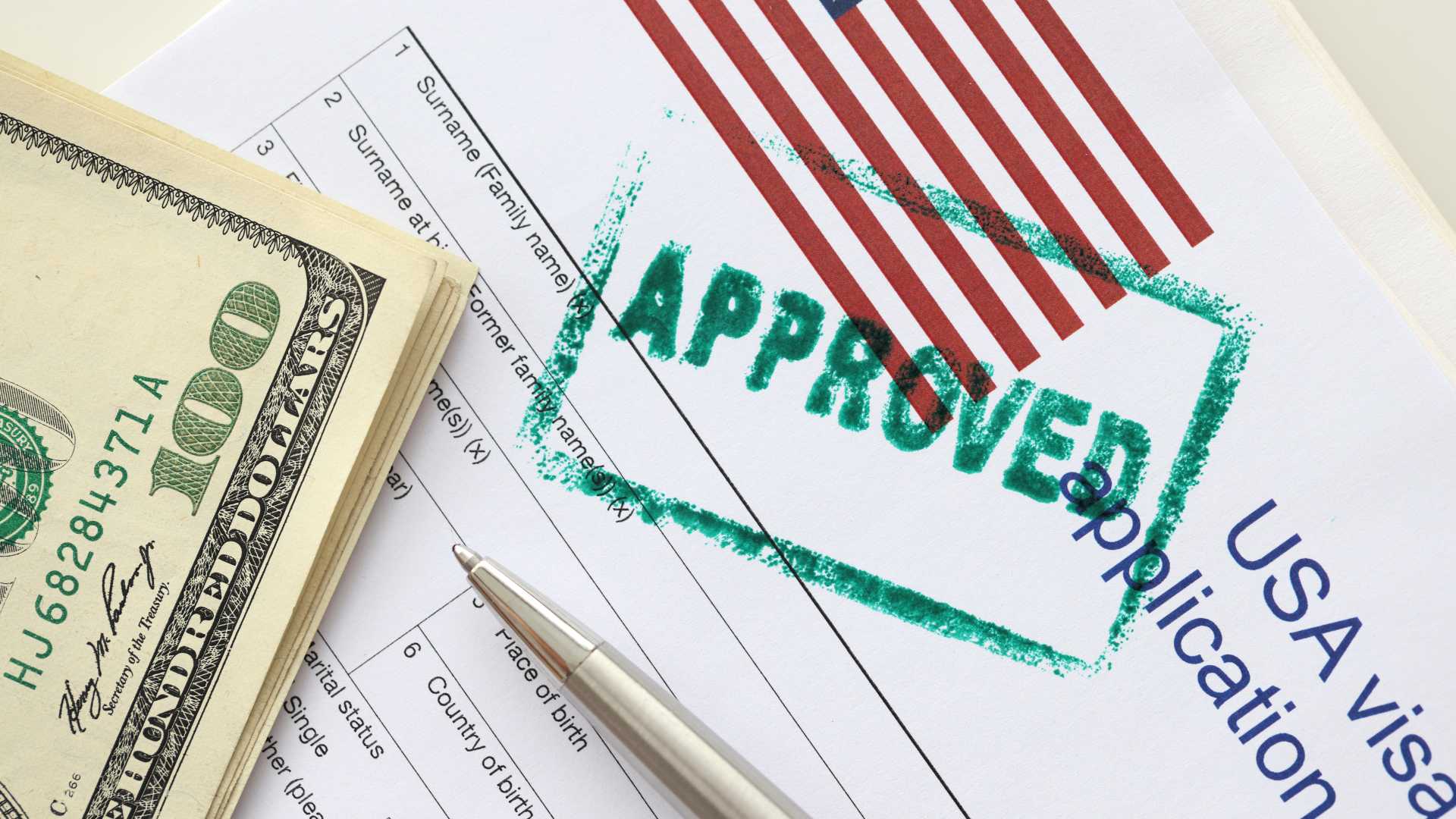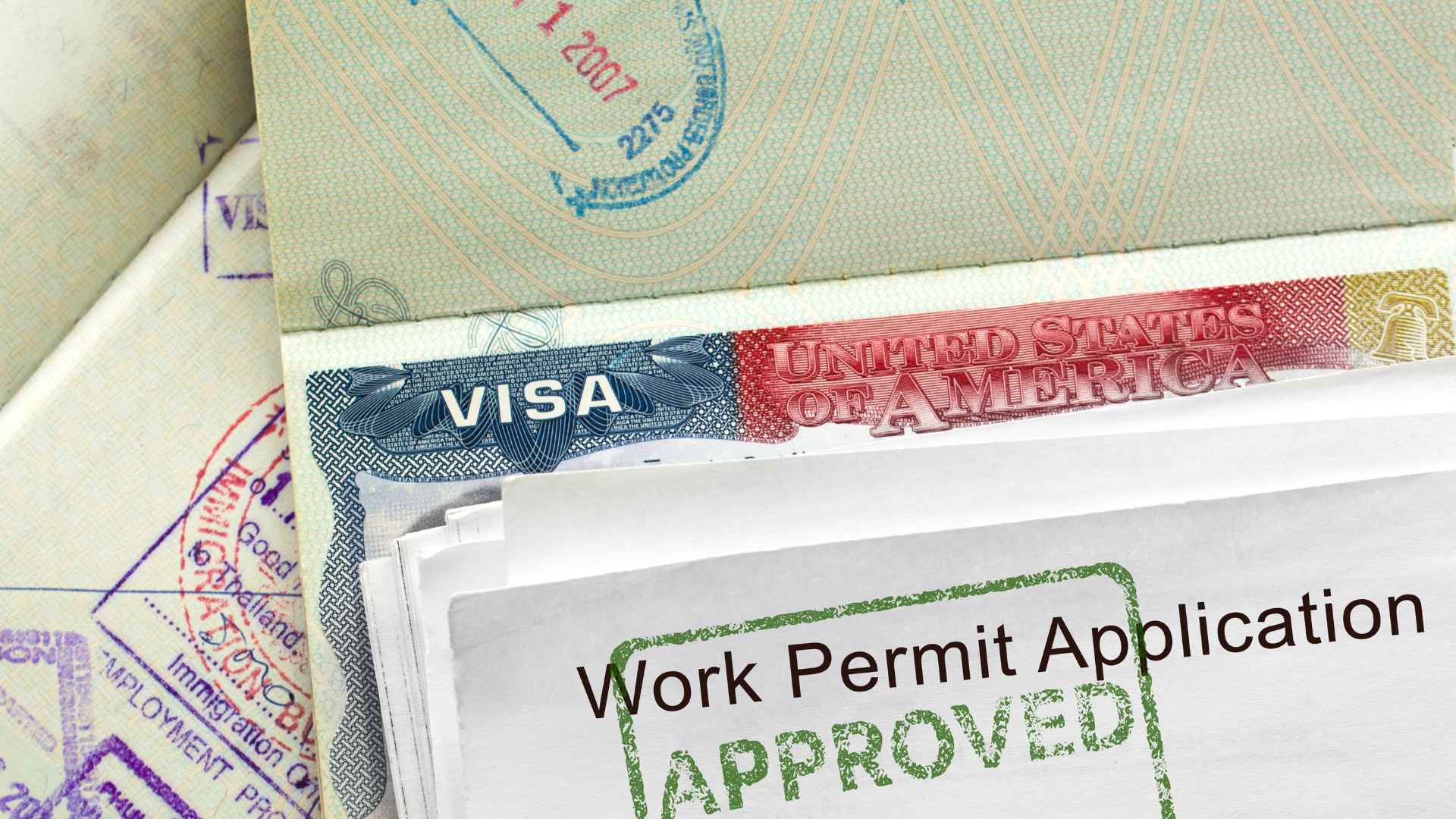
Work Permit in the United States

The process of obtaining an Employment Authorization Document (EAD), commonly known as a Work Permit, in the United States can be somewhat complex and sometimes confusing. However, understanding the requirements and steps to follow can make this process more bearable and successful.

Who is eligible?

To apply for a work permit in the United States, it is crucial to belong to an eligible category. These categories cover a wide range of situations, from refugees and asylees to DACA recipients or individuals with certain specific jobs. It is important to verify whether you meet the eligibility criteria before beginning the application process.

Steps to apply for a Work Permit or EAD

Once your eligibility is confirmed, the next step is to carefully follow the application process. Here is a list of steps to keep in mind:

  1. Read the instructions: The application form can be complicated. It is recommended that you seek legal assistance to avoid mistakes that could delay or even deny your application.
  2. Gather the required documents: This includes a copy of a government-issued ID and passport-size photos. Additionally, depending on your category, other specific documents may be required.
  3. Complete and sign Form I-765: This form is essential for applying for a Work Permit. Be sure to answer all questions accurately and completely.
  4. Pay the filing fee: The current fee is $495. It is important to attach the filing fee receipt to your application, although exemptions are available in certain cases.
  5. Make a copy of the form: Keeping a copy of your application can be useful for future reference, renewals, or in case of loss or theft of the document.
  6. Submit your form: You can choose to submit your application by mail or online, depending on your preferences and specific circumstances.
  7. Save your USCIS receipt number: This number is crucial for tracking the status of your application and receiving updates on its progress.

Awaiting approval: Once your application is approved, you will be eligible to begin working legally. In the meantime, you can look for job opportunities, but keep in mind that you cannot start any work activity until your Work Permit is approved.

Validity of the EAD

It has recently been established that the Employment Authorization Document (EAD) can be valid for up to 5 years, depending on your specific immigration status. This new rule applies only to applications filed on or after September 27, 2023, and does not affect EADs issued before that date. It is important to note that other immigration statuses may have different validity periods, and USCIS may automatically extend the validity of EADs in certain cases, such as for individuals with Temporary Protected Status (TPS).

EAD Renewal

To renew your Employment Authorization Document (EAD), you can apply starting 180 days before the expiration date. Filing early may allow your work authorization to be extended while your application is processed. It is crucial to pay attention to deadlines and follow the instructions provided by USCIS to avoid interruptions in your ability to work legally in the United States.

In summary, obtaining a U.S. work permit is a detailed process that requires meticulous attention to the specific requirements and steps. By carefully following the guidelines provided by USCIS and seeking appropriate assistance when needed, you can maximize your chances of obtaining this crucial document for working legally in the country.


Types of Political Asylum in the US: How to Apply Correctly?

If you are or have faced persecution or serious threats in your country of origin due to your race, religion, nationality, membership in a particular social group or for having different political opinions, the Political Asylum process in the United States becomes a resource invaluable legal for you.

In the United States, there are two main procedures for applying for asylum: the affirmative process and the defensive process.

Affirmative Asylum:

This type of asylum is for people who are not facing removal or deportation proceedings. To qualify, you must have entered the U.S. with valid status or not have been inspected at the border. Additionally, you must file your asylum claim within one year of your last arrival in the country.

Defensive Asylum:

On the other hand, defensive asylum is requested when you are under removal or deportation proceedings. This means you are in removal proceedings before the Immigration Court with the Executive Office for Immigration Review (EOIR).

When is it classified as defensive asylum?

There are two main situations:

If you are referred by USCIS to an immigration judge after your affirmative asylum application has been determined to be ineligible.
If you have been arrested at a U.S. port of entry without proper legal documentation, in violation of your immigration status, or if you have been arrested by CBP attempting to enter the U.S. without proper documentation and are in deportation proceedings.

Credible Fear:

When an individual faces expedited removal proceedings and declares their intention to seek asylum due to a fear of persecution, torture, or return to their country, they will be referred to USCIS for a credible fear assessment. In this assessment, an officer will conduct an interview to determine whether the applicant truly faces a credible fear of persecution or torture.

If a credible fear is determined, USCIS may withhold the asylum application to consider the applicant's eligibility for withholding of removal and protection under the Convention Against Torture (CAT) in a second interview, known as an asylum merits interview. Otherwise, USCIS may issue a Notice to Appear before an immigration judge for consideration of the asylum case, withholding of removal, and CAT protection claims.

In short, the political asylum process in the United States is a vital legal resource for those facing persecution or serious threats in their home countries. We hope this information is helpful in your immigration process. For more content on this and related topics, follow us on Instagram @asisvisa.

Keys to a successful immigration process in the United States

The decision to begin the immigration process to the United States is exciting, but it can also be overwhelming due to the complexity of the procedures and legal requirements. At AsisVisa, we understand the importance of providing you with the right tools to ensure a successful and smooth experience. Here are some key points to guarantee a successful immigration process:

  1. Identification of the Appropriate Program or Visa:
    The variety of programs and visas available can be confusing at first. On our social media and website, you'll find valuable information to help you identify the program or visa that's right for you. If you still have questions, contact us! We're here to schedule a free call or video call and provide you with personalized guidance.
  2. Personalized Assistance with AsisVisa:
    At AsisVisa, we understand that every case is unique. That's why we offer personalized support to address all your questions and concerns. Our commitment goes beyond simply providing information; we also offer support throughout the entire immigration process until your application is approved.
  3. Use Our App to Make the Process Easier:
    We've developed an app that lets you prepare your immigration forms securely, quickly, and effectively, all in Spanish. If you have any questions during the process, don't hesitate to contact us; we're here to help. With AsisVisa, you significantly increase your chances of success, as we offer three document reviews before submitting your application, translation of up to three documents, declaration drafting, and ongoing support.
  4. Prior Research and Knowledge of the Laws:
    Before taking the first step, we recommend you conduct thorough research on U.S. immigration laws and requirements related to the visa or program you're interested in. This information will provide you with a solid foundation for scheduling a personalized consultation with us.
  5. Financial Planning:
    Financial planning is key. Establish a savings plan based on the program or visa you want. Consider processing fees, federal fees, and prepare for potential emergencies. This will ensure you have the necessary resources to complete your immigration process smoothly and without financial setbacks.
  6. Reliable Legal Advice:
    Seek reliable legal advice. Find specialists who can guide you transparently and clearly. Make sure you understand your legal rights and responsibilities so you can make informed decisions throughout the process.

At AsisVisa, we are committed to making your dream of migrating to the United States a successful reality. Contact us and let us guide you on this exciting journey toward a new horizon!

The Political Asylum Clock in the United States: Everything You Need to Know

Political asylum represents a vital opportunity for those fleeing persecution and violence in their home countries. But what is the Asylum Clock and how can it affect your process? Below, we offer relevant information and tips to keep your clock ticking and protect your chances of obtaining political asylum.


What is the Asylum Clock?
The Asylum Clock is a crucial tool for asylum seekers in the United States. It is used to count the days that have passed since you filed your asylum application. This timeframe is critical, as it determines how long you must wait before applying for certain immigration benefits.


Application for a Work Permit:

When your Asylum Clock reaches 150 days, you have the opportunity to apply for a Work Permit, which will allow you to work legally in the country while you await a final decision on your asylum. It's important to note that, under normal circumstances, the process for obtaining a work permit takes up to 180 days.


How to Check the Asylum Clock?
Tracking your Asylum Clock is essential to stay on top of deadlines and necessary actions throughout the process. Fortunately, immigrants can check the status of their asylum case online through the U.S. Citizenship and Immigration Services (USCIS) website.


Additionally, you can obtain information about your asylum case by contacting
Call +1 (800) 989 71 80 and select option 2 to continue in Spanish. Then, you will need to provide your Alien Number, also known as your A-Number. With this information, you will be able to receive updates and track the progress of your application.


Take care of your Asylum Clock: Keeping your Asylum Clock moving is crucial to protecting your chances of obtaining political asylum.

Here are some tips to prevent it from stopping:

  • Attendance at Scheduled Appointments: It is vital to attend all appointments scheduled by immigration authorities on time. Missing an appointment can delay the process and negatively affect your case.
  • Address Update: If you move during the asylum process, you must inform USCIS of your change of address. This ensures that you receive important mail and that immigration authorities are aware of your whereabouts.
  • Attorney at your First Hearing: Attending your first asylum hearing with a lawyer is crucial. An immigration attorney can provide legal advice, increasing your chances of success.
  • Submission of Additional Documentation: If USCIS requires additional documentation to support your asylum claim, be sure to provide it promptly. Meeting the requirements strengthens your case and prevents unnecessary delays.


Remember that the Asylum Clock starts ticking the day the U.S. government receives your asylum application and stops when an immigration judge orders your deportation. Protect your chance of receiving political asylum by being diligent and keeping the clock ticking.

Political asylum in the United States = Hope for exile

Many of the questions that migrants have is whether they can apply for political asylum in the United States if they entered illegally.

The answer is YES, it is possible, as long as you meet the following requirements:

  • You cannot be in the process of removal.
  • You must apply for asylum within one year of your last arrival in the USA
  • Or you must demonstrate that you are eligible for an exception to the above requirement.

Countless people come to the United States seeking protection because of past experiences of persecution or the persistent risk of suffering persecution because of: their race, their religion, their nationality, their association with a social group, or their political ideology.

If you wish to apply for political asylum, you should know that there are two ways to obtain political asylum. I will explain what they are and what they mean:

Affirmative Asylum: To obtain affirmative asylum, you must be present in the USA. You must apply for asylum status regardless of how you arrived in the USA or your current immigration status.

Defensive Asylum: An asylum defense request occurs when you request asylum as a defense against your removal from the U.S. For an asylum application to be considered a defense, you must be in removal proceedings in Immigration Court with the Executive Office for Immigration Review (EOIR).

Do you need help with your asylum process? Leave us a comment

Immigration falls into a 70% with the end of Title 42

According to figures from the Department of Homeland Security (DHS), since May 11, with the end of Title 42, more than 38,400 people have been repatriated, including citizens of Cuba, Venezuela, Haiti and Nicaragua who were returned to Mexico under Title 8.

On the other hand, Republicans claim that instead of a "decrease" in the arrival of migrants, what is currently happening is an evasion in the way the figures of migrants crossing the USA irregularly are presented, or at least that is what Clay Higgins, a representative of the House, argues.

According to agents, in the days leading up to the end of Title 42, encounters with migrants attempting to cross reached 10,000 per day, so the Title 8 rule has generated significant relief, in addition to Mexico's help in accepting migrants deported from the USA.

With Title 8, the Biden administration seeks to control irregular immigration for migrants, and open legal possibilities for some, through processes such as: Humanitarian Parole, CBP ONE for Political Asylum and Family Reunification (Not Yet Regulated).

23,000 people have entered the USA since May 12 with Humanitarian Parole, a program that allows Venezuelans, Haitians, Cubans and Nicaraguans to stay in the USA for 2 years.

On the other hand, at the ports of entry, the asylum applications of 1,070 people who scheduled an appointment to present their case through the CBP One application were processed.

Some argue that the current decline is a “fragile balance” that may “be affected in the future” because “the factors in our hemisphere that are driving the historical movement of people still exist, and that traffickers use misinformation to encourage migration.”.

Sources: San Diego Union Tribune and Voice of America

New proposal for immigration reform in the United States to allow migrants to obtain citizenship

With an uncontrollable migration situation and thousands of migrants stranded in Mexico, Representative Maria Elvira Salazar will present a bill in Congress this Tuesday that addresses the most complex issues that have kept the two main political parties (Republicans and Democrats) apart on immigration reform.

According to Salazar, this is the first bipartisan immigration bill introduced in Congress in the last 10 years, which contemplates creating a legal path to citizenship for the estimated 12 million undocumented immigrants already in the country, while allocating billions of dollars to increase border security, an effort that would be paid for by the immigrants themselves.

The idea behind this bill is that it would be fully paid for by immigrants already in the U.S., with the exception of those who have committed a crime. The program would grant immigrants authorization to work and live for seven years under a program called "Dignity Status," which would cost $1,400. After those seven years, immigrants would qualify for "Redemption Status," which would lead to citizenship at a cost of another $1,400.

The bill contemplates acquiring state-of-the-art technology to better monitor the border, building an impenetrable border infrastructure system, which would include improved physical barriers, and hiring more border patrol agents.

Furthermore, this project would also modify current asylum regulations by creating five “humanitarian campuses” for those awaiting immigration status. The construction of these centers would end the catch-and-release practice, in which undocumented immigrants are released while their cases are being processed.

It should be clarified that the facilities would prevent the separation of family members and immigrants would have a resolution of their cases within 60 days, after which applicants would know if asylum has been approved, denied or is pending, in which case they would be allowed to be free while wearing an ankle monitor.

With this new immigration reform proposal, it is hoped that a bipartisan agreement can be reached that will contribute to offering real and dignified solutions to the immigration situation in the United States.

Source: The New Herald and Dallas News.

The United States seeks to expand legal avenues to regulate the irregular flow of migrants in the Darien Gap

Some 90,000 people have crossed this dangerous jungle between Panama and Colombia. More than 87,000 migrants crossed the Darién Gap in the first three months of the year, mainly from Venezuela, Haiti, and Ecuador—nearly 14,000 more than in the same period last year.

Following the end of Title 42, the plan to reduce the irregular flow of migrants has three elements: the campaign against human trafficking, the expansion of legal pathways to receive migrants, and investment to create better conditions in countries of origin, thereby controlling migration to the USA.

In light of the uncontrolled migration in the Darién Gap, the United States is seeking to focus its efforts, along with Panama and Colombia, on curbing the growing flow of migrants by arresting the leaders of human trafficking networks, explained Katie Robin, director of cross-border affairs at the White House National Security Council, on Thursday. However, it remains to be seen how much of this political rhetoric can be translated into practical action.

These legal pathways include expanding refugee programs, employment opportunities, and family reunification. The US is also asking other countries in the region to contribute to the plan, such as Canada's recent initiative to legally receive approximately 15,000 more people from the Americas this year.

The plan is to welcome migrants to the USA and offer them more legal pathways, hoping to dissuade them from risking their lives without knowing if they will have any legal support from the United States. Will this strategy actually work?

In 2022, a record 250,000 migrants crossed the Darién Gap, 60% of them Venezuelan. The UN estimates that 400,000 migrants will cross the Darién Gap in 2023.

Faced with the surge in migrants, the Biden administration used Title 42 to prevent Venezuelans from seeking asylum at the border. Instead, it announced it would accept up to 24,000 Venezuelans arriving by plane after their Humanitarian Parole application was approved.

With this new plan, it is hoped that measures can be taken against irregular migration and to ensure the safety of those who seek opportunities in the American country at all costs.

Source: Telemundo

38 migrants died in a fire at a detention center in Mexico

The tragic fire at the National Migration Institute (INM) facility on the border in El Paso, Texas, has claimed the lives of 38 migrants and left 28 injured. The INM is one of the main crossing points for migrants seeking to enter the United States.

According to José María Ramos, a researcher at El Colegio de la Frontera Norte, nearly 800,000 migrants have been detained by U.S. authorities so far this fiscal year, of which at least 60% pass through Ciudad Juárez, which has become the main crossing point for irregular migration between the two countries in the last five months.

Experts and activists say the intense influx of migrants has overwhelmed shelters and official immigration facilities in Ciudad Juárez, where nearly 12,000 migrants have been given refuge.

A similar situation is occurring in New York City, where some 44,000 migrants have been received, which is why it has been proposed to send these people to Canada.
According to Mexican civil society organizations, 2022 was the deadliest year on record for migrants in Mexico, with approximately 900 deaths while attempting to cross into the United States. The region is experiencing an unprecedented migration flow, with 2.76 million undocumented immigrants apprehended at the U.S.-Mexico border in fiscal year 2022.

Following these tragic events, we must await the information that the investigations will provide. It is crucial to acknowledge that the Mexican government was responsible for the safety of these migrants and should have had an emergency protocol in place to save their lives. This incident serves as a stark reminder of the urgent need for more comprehensive solutions to address the challenges faced by migrants seeking to enter the United States.

Sources: Telemundo, CNN en español

Immigration dissatisfaction among Americans

The level of dissatisfaction among Americans regarding immigration has increased in the last two years. mainly due to the migration crisis at the border with Mexico, where in the last fiscal year the government detained more than 2.3 million undocumented immigrants, most of them seeking asylum.

According to a Gallup poll, the majority of the dissatisfied group (64% equivalent to 40% of US adults) He states that he wants migration to decrease. In turn, 81% of the Americans surveyed said they were dissatisfied because they want it to increase, while the remaining 151% are dissatisfied but want the level to remain the same or said they were unsure.

On the border with Mexico, where the migrant crisis of those trying to enter the United States shows no signs of abating, it is often at the center of immigration news. Meanwhile, a counter-movement is also growing: the number of Americans who settle in the neighboring country.

In 2022, a total of 11,518 Americans received temporary resident cards in Mexico, According to data from the Ministry of the Interior (Segob) of the Latin American country, the number of deaths has nearly doubled compared to the previous year, when a total of 9,086 were recorded. In other words, from 2020 to 2022 the figure almost doubled.

Although moving from the US to Mexico is a good deal for Americans who save on rent, food, and utilities, this is not necessarily the case for locals (Mexicans) who have seen housing prices rise due to demand from foreigners.*

Today, thanks to remote work, some Americans "move to Mexico because it's cheap, not because they really want to participate in the local culture or because they're interested in Mexico," says Professor Fernando Bustos of Anáhuac University.

For Americans, living in Mexico is a profitable option, while for those who migrate to the USA, it is often the only way to seek a better life. quality of life.

Source: CNN, Telemundo and Univision.