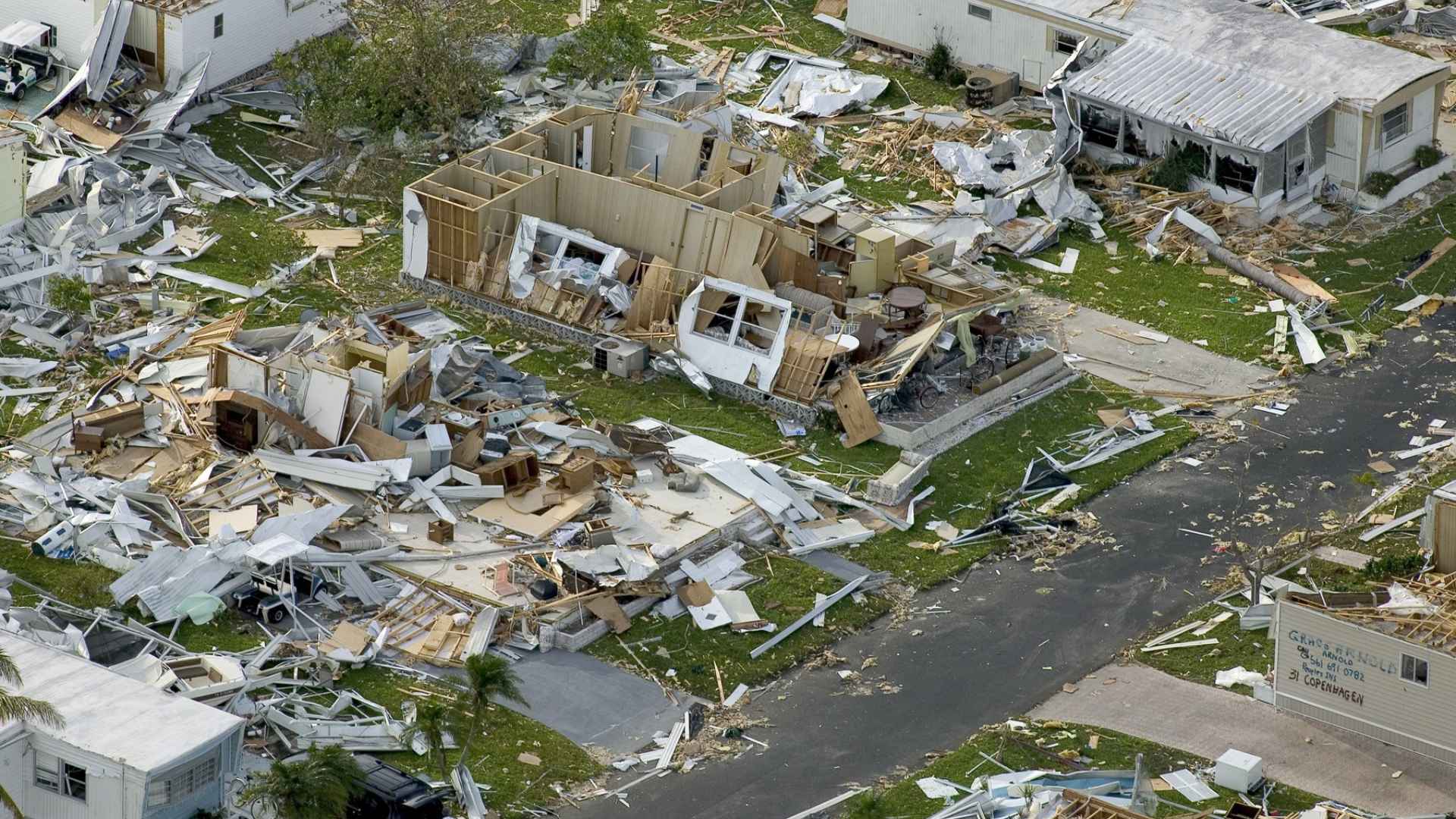
US labor shortage

Many wonder why the country's labor shortage persists almost three years after the COVID-19 pandemic, and the answer is simple: they don't have enough immigrants. Furthermore, immigration has long been a political tool in the United States, rather than a genuine priority, says journalist Vanessa Yurkevich. 

“Part of the reason there are so many vacancies and unfilled jobs in the U.S. is that many immigrants who came regularly before COVID are no longer here,” said Giovanni Peri*. The reality is that migrants are filling thousands of positions that many Americans don't want to do. *Author of the research at the University of California and director of the UC Davis Center for Global Migration.

According to research from the University of California, by the end of 2021 there were about 2 million fewer working-age immigrants in the United States than there would have been if pre-pandemic immigration had continued unchanged.

Illegal migration is one of the factors that has affected the labor shortage over the past two years for American companies focused on construction, agriculture, and hospitality. 

Similarly, the lack of available workers has driven up wages, leading to higher inflation. Federal Reserve Chairman Jerome Powell said that in addition to an aging workforce, a shortage of foreign labor is contributing to the labor shortage.

The greatest impact is felt in industries such as construction, agriculture, and hospitality, which rely on immigrant workers. There are currently 10.3 million job openings in the US: 377,000 in construction and 1.6 million in hospitality. This number has been increasing in recent months. *According to research from the University of California, Davis. 

The only solution that many of the industries directly affected by Covid-19 see is that through immigration reform, industries affected by unskilled labor will be improved, in addition to allowing more legal immigrants who need the job and contribute to the progress of the American nation. 

Written from: CNN en español
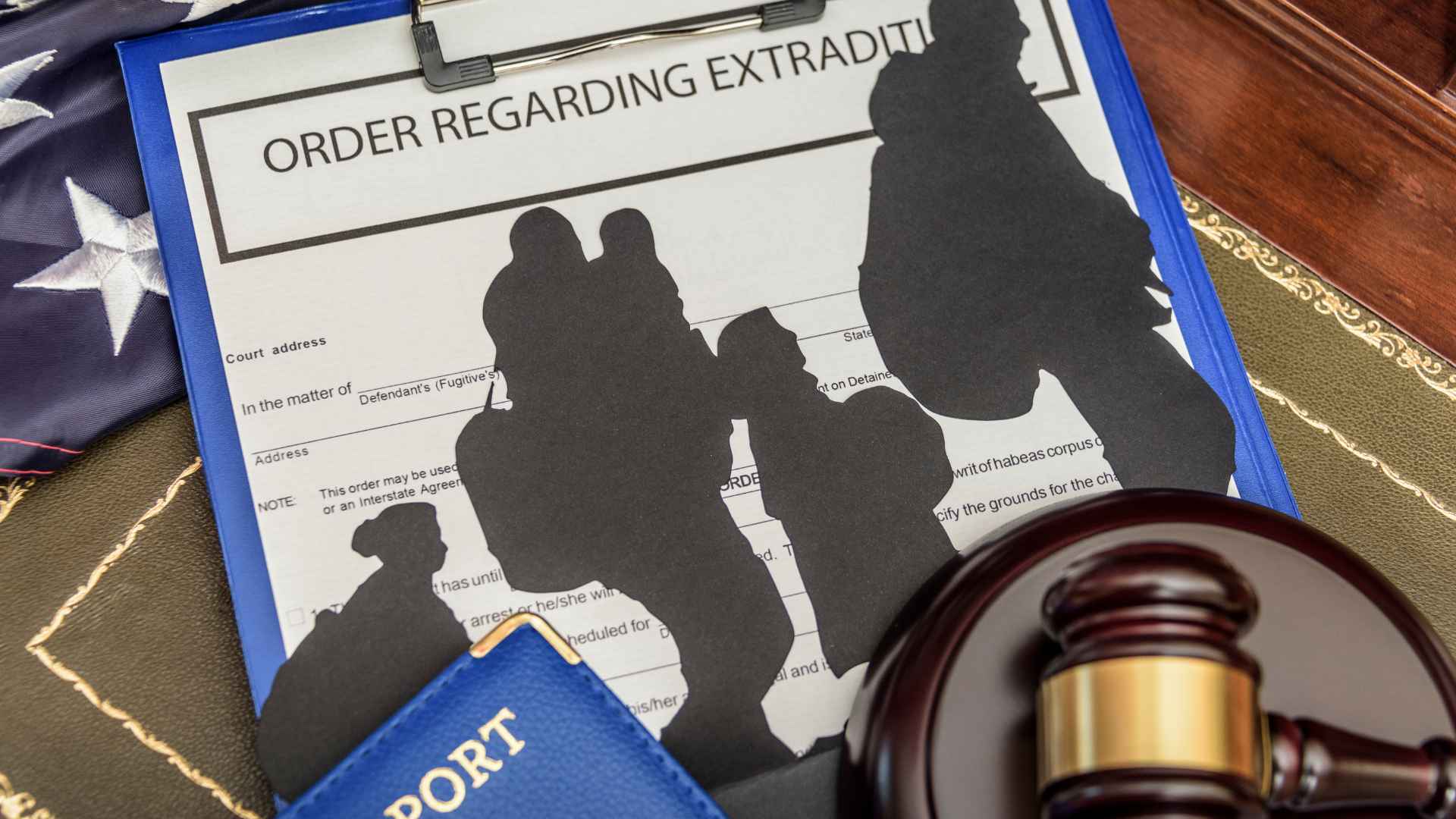
Even without Title 42, they will continue to deport

Title 42 is a 1944 law that Trump recently used to expel immigrants from the US. This law empowers the federal government to take extraordinary measures to prevent the introduction of easily transmissible diseases into the country. Trump used this legislation to expel thousands of immigrants under the pretext of COVID-19.

After a long legal battle between Democrats and Republicans over the legality of this policy, Title 42 will expire this Wednesday, December 21. This represents a victory for the Democrats, but leaves a bitter taste for the immigration system.

With the end of Title 42, we return to Title 8, regulations that are more rigid and strict than 42. Under these regulations, people who enter irregularly must be interviewed by a border agent and demonstrate a "credible fear" of returning to their country
of origin.

The penalties for those who have entered the country illegally on repeated occasions are more severe. Furthermore, the situation is unclear for individuals who were removed under Title 42 and are now attempting to enter under Title 8, since removal under Title 42 is based on public health concerns, while removal under Title 8 is based on admissibility or inadmissibility under immigration law.

In other words, this means that deportations under Title 42 did not take into account a person's merits for remaining in the U.S. Therefore, the government could deport people to Mexico and make them wait there for their hearing, regardless of whether or not they had a strong asylum case. This discouraged many people from crossing irregularly.

With the end of this policy, the door is opened for thousands of immigrants to attempt to enter irregularly starting Wednesday. This is for two reasons: first, there is no mechanism to deport anyone who fails the credible fear interview; and second, those who were deported under Title 42 have not been deported under Title 8, which has a different standard.

Faced with the surge of migrants waiting to cross the border, the Biden team claimed to have increased resources for the area, improved application processing, imposed penalties for illegal entry, and targeted smugglers. Even so, the issue of immigration is a ticking time bomb that could explode at any moment.

News report compiled from: CNN and San Diego Union Tribune

Job crisis in the United States due to lack of professional qualifications

Imagine this scenario: you find a job offer that's perfect for you, requiring exactly the kind of skills you have. But you can't apply, or if you do, you're rejected because the position requires a university degree you don't possess.

WORK LIMITATIONS

More than 70 million people in the USA are affected by not having a degree, including many undocumented professionals or self-taught individuals who cross the border in search of a better quality of life and with the desire to find jobs that match their skills, according to estimates from the NGO Opportunity at Work.

WHO HITS THE CEILING?

Workers known as STARs* who acquired their skills and knowledge on the job, through non-university training courses and/or programs, among other means. * (acronym for "trained through alternative pathways") 

LABOR CRISIS 

In general, the number of workers without a bachelor's degree is even higher among minorities; 62.1% of those over 25 do not have a bachelor's degree, but that percentage increases to 72.1% for African Americans and 79.1% for Latinos. *According to the U.S. Census Bureau. 

WHAT EFFECTS DOES IT HAVE?

Unskilled jobs such as construction, agriculture, waiters, baristas and/or hotels among others, that is, cheap and poorly paid labor, in addition to having a wage gap between those with a university degree and those without, which has doubled during the last 40 years, according to Opportunity at Work.  

REQUIREMENTS

Job offers that were generally for people with average skills who could apply with high school diplomas, now establish a university degree as a minimum requirement, a credential that only a third of the adult population possesses according to the NGO report Opportunity at Work.

REALITY

According to Opportunity at Work, STARs* represent more than 501,000 people in the U.S. workforce, including 611,000 African Americans and 551,000 Hispanics. 

THE SOLUTION

The more large companies that join organizations like Chevron, Accenture (where only 261% of their positions require a degree), Google, IBM (where 291% of positions require a degree), LinkedIn, Comcast, and Walmart to raise awareness in the United States about the "paper ceiling" and encourage employers to abandon this practice.

News report compiled from: Washington Examiner and BBC News

Title 42 Collapse, Migratory Nightmare

Monumental Migration, that's how many border patrol agents classify the event that is expected as soon as the Title 42 pandemic policy ends, just a few days before Christmas.

In other words, there will be no one to stop the more than 1 million migrants who were expelled and crossed the border between the United States and Mexico.


Under Title 42, Customs and Border Protection (CBP) prohibits the entry of certain individuals who "potentially pose a risk to public health (COVID-19).".

After the Biden administration announced it would withdraw the Title 42 policy, a debate erupted over whether ending its enforcement is justified and whether officials are prepared to handle the influx of people who will enter the already dysfunctional immigration system.

The Border Patrol could face investigating nearly 18,000 arrests per day after this policy is withdrawn, while currently handling approximately 6,000 detainees daily amid this crisis. For context, a DHS secretary during the Obama administration stated that 1,000 arrests per day constituted a "crisis.".

The 6,000 daily arrests since President Biden took office have already put agents in a bind, especially since the Biden administration decided not to detain immigrants in federal facilities until they appear in court, resulting in more than 1.5 million people being released in the U.S. instead of being detained.

Backlogged immigration courts mean that someone released today may not be in court until 2028, while living in the U.S. on "parole," a new legal status created by the Biden administration.

The entry of migrants can be classified as free entry starting December 21, since there will not be enough agents to control the entry of illegal immigrants across the border, which will lead the Customs and Border Protection Office to release virtually all of them.

It will be the perfect opportunity for smugglers, who earn between $5,000 and $50,000 per person, to move people with criminal records and drugs across the border in an unguarded area, since approximately half of all agents have been withdrawn from the field to transport, process, and care for detainees.

What some migrants are hoping for is to maintain a glimmer of hope of entering the United States after months or even years of waiting in camps and makeshift shelters in Mexico. Meanwhile, Border Patrol agents are concerned about the unprecedented surge of migrants expected at the border after December 21st.

Biden: ding ding and no lollipops

Did Biden back down?
The midterm elections will be held on November 8th*, and according to polls, Biden has a disapproval rating of 531%, revealing a frustration with his term, which could pave the way for Republican success.
*The US midterm elections measure the acceptance of the work done by the Joe Biden Administration in its first two years.

Taking Advantage
On the Republican side, inflation, which they blame on the current Democratic administration, the mismanagement of the economy, the immigration crisis, and Biden's health are the issues that opposition candidates emphasize to encourage voting against the Democrats.

What's at stake?
These elections serve as a barometer for public approval of the administration's performance during its first two years in office. Current trends suggest that the opposition party (Republicans) could regain control of the legislature in the midterm elections, providing a counterbalance.

Struggle for power
Democrats currently control the Executive branch and hold a majority in Congress. Should the balance of power shift, Republicans would retain a majority in Congress and the Supreme Court—two of the three branches of political power in the United States—for at least the next two years.

All or nothing
This means that the representatives elected by the people will decide whether Governor Joe Biden can get new laws passed or whether Republicans gain the ability to block the governor's initiatives for the rest of his term.

The highest bidder will win.
These elections will shape the political future of states, affecting decisions such as abortion, voting rights, and COVID-19. They will also set the stage for the 2024 presidential election.

This news story was created from: The New York Times, France24, and Voice of America

Deportation priorities, lack of immigration authority

Discussions have been underway since September 2021 the Biden administration's deportation priorities policy, which, They are focused on deporting any immigrant with a criminal record, NOT just any immigrant. that have entered through the border without posing a danger to society.

However, The Supreme Court will review a lawsuit from Texas and Louisiana to stop this policy. at the end of next month. According to Texas and Louisiana, Biden's deportation priorities are unconstitutional and do not follow standard legal procedures under American law.

For now, Biden's policy is blocked by the Court of Appeals, which means that Any immigrant who has entered illegally and does not have papers could be detained and deported.

Democrats believe that Citizenship and Immigration Services officers should assess an immigrant's overall situation and not just detain them for not having papers, but consider their criminal history and make a decision on the case.

What is expected from all this back and forth is that after these midterm elections that will take place this November, political parties can align themselves in favor of immigration reform that contributes to resolving this crisis.

In other words, it is expected that by the end of the year the arguments of both sides will be available and that the Supreme Court justices will decide whether or not to continue with this immigration guide.

News compiled from: Univision and San Diego Union Tribune.

Climate change, the death of humanity

The threat of natural and meteorological disasters motivates migration from Latin American and Caribbean countries in search of other ways to earn an income and meet basic needs.

What motivates them to migrate?
It is the droughts and floods, in addition to the lack of employment, low income, violence, crime, persecution and insecurity that motivate a high migration to American territory.

The reality of Latin America
It is confirmed that climate change is having an impact and will have an even greater impact on this region., where hurricane records will be broken, severe droughts will be suffered, sea levels will continue to rise and there will be more fires, according to the World Meteorological Organization's (WMO) 2020 State of the Climate in Latin America and the Caribbean Report.

According to research, Latin America and the Caribbean is one of the regions of the world most affected by climate change and external weather phenomena that are causing serious damage to the health, life, food, water, energy and socioeconomic development of the region, which contributes to migration.

Furthermore, weather-related events and their impacts cost more than 312,000 lives in Latin America and the Caribbean and They affected more than 277 million people in the last 20 years.

According to the Global Risks Report 2022, in Looking at a 10-year horizon, environmental risks are perceived as the 5 most critical long-term threats to the world. Classified as, 3 of the most serious threats are "failure of climate action", "extreme weather" and "loss of biodiversity".

The projections don't lie, and they highlight potential future problems that should be urgently addressed by those in charge, that is, humanity.

Migration system collapsed. Are mass deportations coming to the USA?

The lack of coherence in the Biden-Harris administration's immigration policy will begin to take its toll.

According to figures, by the end of April the Immigration Case Review Office (EOIR) had accumulated more than 1.7 million cases and More than 580,000 migrants in a legal limbo without a clear immigration status.

Given the circumstances, the Biden-Harris administration, seeks to decongest the accumulated files accelerating the political asylum processes.

But four months after the first phase was implemented in Texas, and as the government prepares to expand it, experts warn that The rush puts thousands of migrants seeking asylum in the United States at risk.

In other words, with this decision Cases will be pushed through the judicial system at the expense of immigrants' rights.. According to experts*, the timeframes “excessively short” They are not enough for immigrants to gather and present evidence that corroborates their stories and fears. *American Immigration Lawyers Association (AILA) and the American Immigration Council in a report published on the Think Immigration website.

Likewise, it will grant temporary extraordinary powers to asylum officers from the United States Citizenship and Immigration Services (USCIS) to adjudicate these applications defensively, a power that until now only immigration judges had.

What the Biden-Harris administration is proposing in this new program is:

1. People at the border will be placed in expedited deportation and detention by ICE.

2. Credible fear interview, in detention and

3. Asylum Merit Interview (AMI) by USCIS.

Are these measures truly structural solutions for a collapsed and failed system? The lack of a serious and coherent legislative effort by the American Congress will take its toll on all immigrants.

Note compiled from: Univision and Hondudiario

Mental health conditions suffered by migrants

Among the most common diseases found in migrants are:
anxiety, depression, post-traumatic stress disorder, substance abuse, and feelings of low self-esteem.

“Mental health conditions constitute a silent epidemic that has affected the Americas long before COVID-19, with depression and anxiety being two of the leading causes of illness. The Region of the Americas also has the second highest level of alcohol consumption in the world,” said Carissa F. Etienne, Director of the Pan American Health Organization.

Why do they suffer from these diseases?

It is the lack of employment, poor housing conditions, and traumatic events before, during, and after migration that lead to psychological distress.

According to research by the Pan American Health Organization (PAHO) and the World Health Organization (WHO), factors such as lack of language proficiency and unfair treatment by the host country may be triggering states of loneliness and isolation.

On the other hand, in the results of post-traumatic stress disorders The greatest impact has been observed on refugees and asylum seekers, yielding a 31,46% in people exposed to conditions of violence, family separation and administrative barriers, among others.

Furthermore, there is evidence to support that immigrants in the United States use and have alcohol dependence. For example, among the refugees of Iraq and Cambodia, the prevalence rate of alcohol consumption ranged between 13% and 38%. 

How can we contribute to the solution?

According to German Cardenas, professor of psychology at Lehigh University, «activism social justice serve as a "coping mechanism that It helps protect your mental health.«

Collective struggles increase self-esteem and personal effectiveness, thus creating solidarity and offering a social perspective, which contributes to healing or treating mental health illnesses.

News report based on information taken from: Summary of a review of scientific literature on Health of International Migrants of the Pan American Health Organization (PAHO) and the World Health Organization (WHO)

Schedule your initial consultation https://asisvisa.com/asesoria-1-a-1/  

Climate emergency due to Hurricane Ian

The United States Citizenship and Immigration Services (USCIS) announced the closure of offices in much of the state of Florida due to the arrival of powerful Hurricane Ian, which made landfall on the peninsula's west coast on Wednesday as a major hurricane.

The federal agency said on its Twitter account that the hurricane's path "is affecting our operations in Florida" and asked those with pending paperwork or scheduled appointments to check the website to find out firsthand what changes may occur to their appointment due to the emergency. 

Similarly, on the website, USCIS warns that immigrants should stay tuned for updates because the information varies regarding "offices that are closed or have temporarily changed their hours.".

Due to the climate emergency, various measures have been taken and a range of aid programs have been activated for those affected by natural disasters and other unforeseen circumstances. Among the programs covered by this measure are changes to nonimmigrant status or extensions of nonimmigrant stay for individuals currently in the United States.

The Citizenship Service clarified that, if you do not request an extension or change before the expiration of your authorized admission period, "we can excuse you if the delay was due to extraordinary circumstances beyond your control"; everything must be accompanied by supporting documentation.

Additionally, the following are included:

  • If you have a scheduled appointment and USCIS offices are closed due to Hurricane Ian, the immigration service will reschedule it and notify you in about two to three weeks when you should appear to continue with your case. However, if you do not receive any notification, you should contact the agency and follow up on your case.
  • Also, if you were forced to change your address due to the hurricane, you should fill out Form A-411 as soon as possible and submit it, or call USCIS at 1(800) 3675-5283 to register your new address.

Finally, the agency said that if you need help, you should explain “how the impact of unforeseen circumstances, such as a natural disaster, created the need for the requested assistance.” If you lost all forms of evidence in an unforeseen circumstance, it is recommended that you include an explanation and supporting documentation to substantiate your request.

Climate emergencies are beyond human control. If you would like more information or guidance on how to access available assistance in this situation and avoid negatively impacting your immigration status, I invite you to learn about the services offered by AsisVisa. With us, you have a greater chance of achieving the American Dream legally and safely. If you have any questions…

Schedule your initial consultation https://asisvisa.com/asesoria-1-a-1/

News report based on information from: Univision

Hosted by WordPress Clusters