AsisVisa stands out in Bronze Valley: the startup that is innovating migration processes to the United States

AsisVisa stands out in Bronze Valley: the startup that is innovating migration processes to the United States

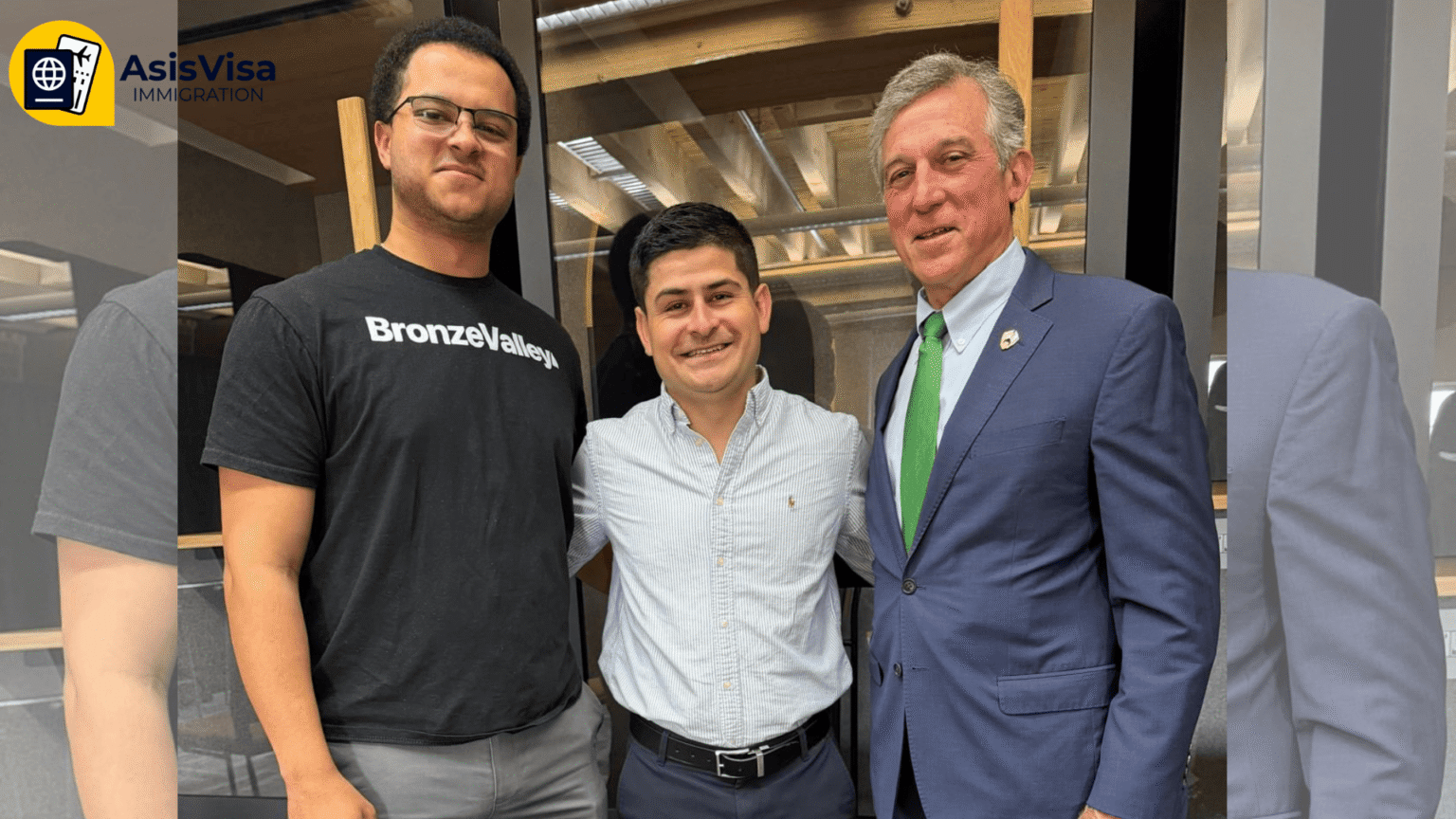
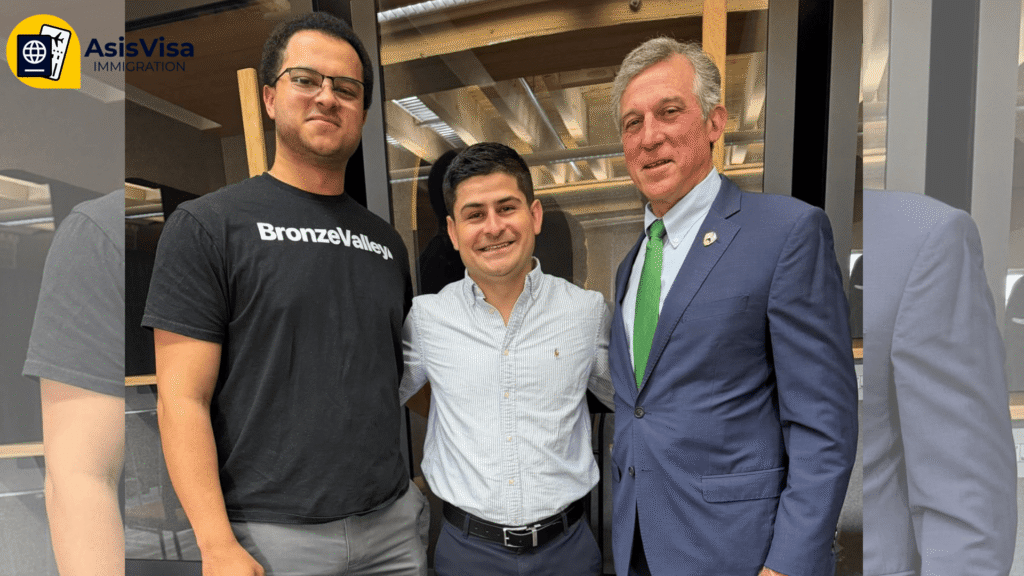
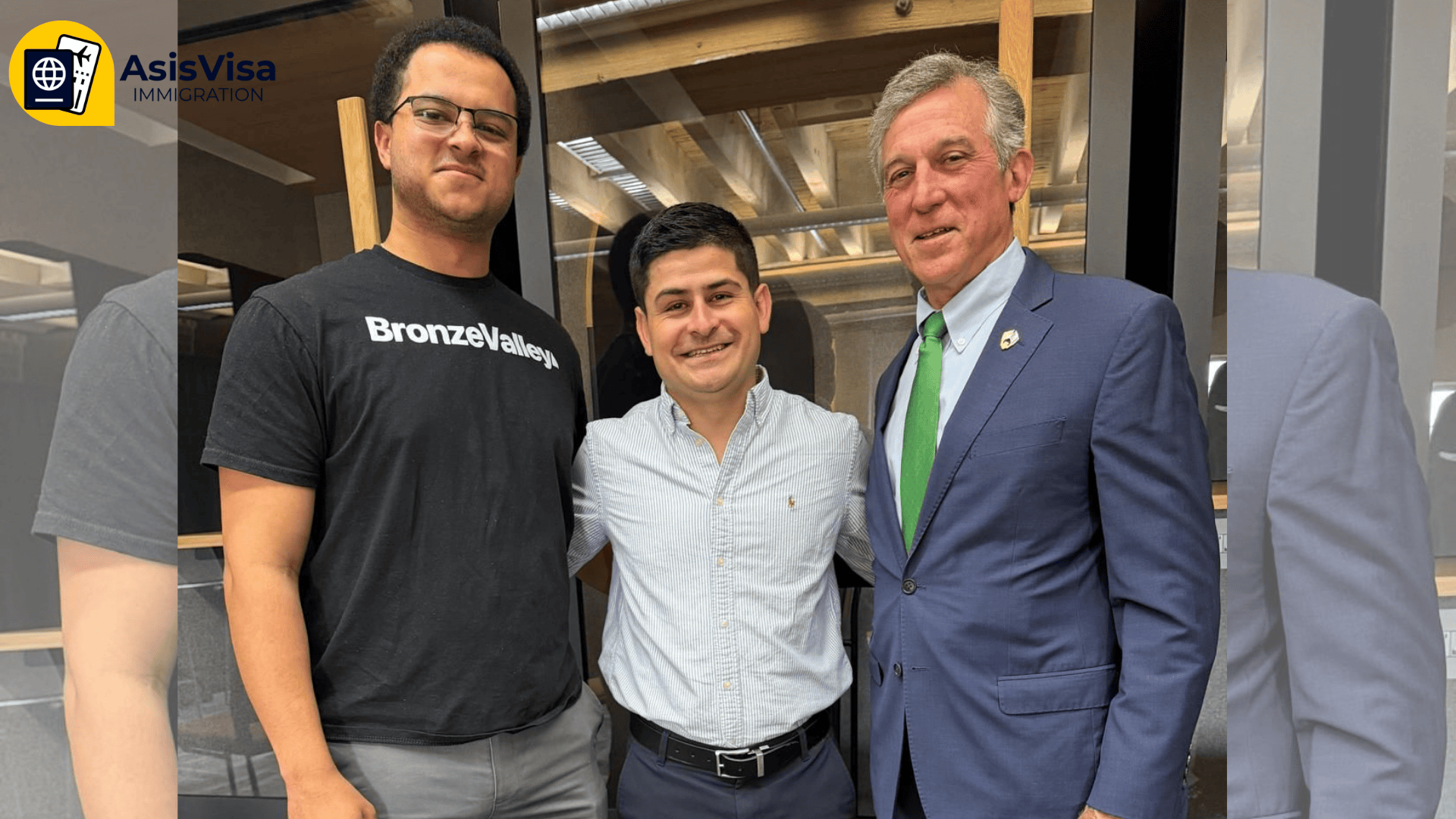
AsisVisa was featured in an article published by Delaware Business Times as part of the ecosystem powered by Bronze Valley, an accelerator program that boosts high-growth potential technology startups in Delaware, USA.

Share this article on:

Immigration processes to the United States often generate many doubts: forms, documentation, waiting times and multiple steps that can feel overwhelming for those who wish to travel, study, work or migrate.


That's why more and more people are looking for digital solutions that allow them to manage their procedures in a clearer, more organized and efficient way.


In that context, AsisVisa was highlighted in an article published by Delaware Business Times as part of the ecosystem driven by Bronze Valley, an accelerator program that promotes high-growth potential technology startups in Delaware, United States.


This recognition strengthens AsisVisa's position as a company that is transforming the immigration experience through technology and innovation.

What is Bronze Valley and why does it drive tech startups?

Bronze Valley is an accelerator program focused on supporting innovative startups through mentorship, business networking, strategic development, and access to investors.


Its goal is to help emerging companies scale their operations and strengthen their business models within the US technology ecosystem.


Participating startups receive benefits such as:

In addition, the program focuses on companies that use technology to solve real needs and generate impact in different industries.

AsisVisa and the digital transformation of migration processes

Within the article, AsisVisa is mentioned as one of the startups that is using technology to simplify immigration processes to the United States.


The publication highlights how the company has developed a web platform that allows people to manage their immigration cases in a more accessible, organized, and efficient way.


This approach seeks to facilitate processes related to:

Today, people are not only looking for immigration advice. They also want digital tools that provide them with greater clarity and support during each stage of the process.


That combination of technology and experience is precisely one of AsisVisa's main strengths.

Delaware: an ecosystem that drives innovation and growth

The growth of programs like Bronze Valley also reflects how Delaware is establishing itself as an emerging hub for tech startups.


Unlike more saturated ecosystems, Delaware offers closer connection opportunities between entrepreneurs, investors, and strategic partners.


This type of space allows companies like AsisVisa to:

For AsisVisa, being part of this ecosystem represents an important step in its evolution and international growth.

A recognition that drives the future of AsisVisa

Being highlighted within the Bronze Valley ecosystem validates the work that AsisVisa has been developing to modernize the immigration experience through more efficient and accessible technological solutions.


Furthermore, this progress strengthens key areas such as:

Digital transformation will continue to change the way people manage their migration processes, and AsisVisa continues to invest in tools that make that experience simpler, more organized, and more reliable.

Do you need help with your immigration process to the United States?

At AsisVisa we work to make migration processes clearer, more organized and accessible through technology and strategic support.


If you are thinking about traveling, studying, working or starting an immigration process to the United States, our team is ready to help you.


Learn more about AsisVisa and discover how we can support you in your immigration process.

Recommendations for travelers: How does the presence of ICE at US airports affect you?

Recommendations for travelers: How does the presence of ICE at US airports affect you?

Implications for immigrants of the presence of ICE agents in US airports.

Share this article on:

Current context: what you should know before traveling

In recent days, President Donald Trump announced the strengthening of immigration controls through the presence of agents from US Immigration and Customs Enforcement (ICE) in airports in the United States.


This announcement comes amid recent immigration decisions and has generated concern among travelers, students, and people with ongoing immigration processes.


Beyond the news, it's important to understand what this means in practice and how it may impact those planning to travel within or to the United States.

What does ICE's presence at airports imply?

Although immigration authorities already operate at points of entry into the country, this type of measure could translate into stricter controls.


This may include:

Not all travelers will be subjected to these checks, but it is a context that requires greater caution, especially for those with sensitive immigration situations.


Key recommendations before traveling

1. Bring your updated immigration documents

It is essential to have all the documentation in order:

Having expired or incomplete documents can cause problems during the verification process.

2. Avoid traveling if you have a pending asylum process

People with pending asylum applications, whether affirmative or in court, should proceed with caution.


At airports, authorities may review your case and ask additional questions that could complicate your situation.

3. Be aware of the level of security at airports

At international airports, authorities have greater powers to verify the immigration status of travelers.


This means they can:

That's why it's important to travel with all your documents organized and available.

4. Avoid unnecessary exposure

If your immigration status is not completely clear or is in process, it is best to avoid non-essential travel.


Before making a decision, assess the potential risks and how they might affect your case.

Who should be most cautious?

Some profiles need to analyze any movement more carefully:

Each case is different, so it is important not to generalize and to evaluate the individual situation.

Common cases: Can I travel or not?

I am a student with a valid F-1 visa.

I have a pending affirmative asylum application.

Why is it important to have professional advice?

Immigration policies can change and be applied differently depending on each case.


That's why:

Having professional advice allows you to make informed decisions and reduce risks.

Conclusion: Do your research before you travel

The presence of ICE at airports does not mean that all travel is a problem, but it does require greater attention and preparation.


Before you travel, make sure you:

Do you need guidance on your case?

At AsisVisa we offer personalized advice to help you understand your immigration status and make decisions with greater confidence.


If you have any doubts about whether you can travel in this context, we recommend consulting a professional before doing so.


Your peace of mind is also part of the process.

More to read

Discover other articles related to visas and immigration policies

AsisVisa stands out in Bronze Valley: the startup that is innovating migration processes to the United States

AsisVisa stands out in Bronze Valley: the startup that is innovating migration processes towards...

Recommendations for travelers: How does the presence of ICE at US airports affect you?

Recommendations for travelers: How does ICE's presence at US airports affect you?...

What does it mean for the EB-2 NIW visa to be valid?

What does it mean for an EB-2 NIW visa to be valid? In the world of immigration...

What does it mean for the EB-2 NIW visa to be valid?

What does it mean for the EB-2 NIW visa to be valid?

In the world of labor immigration to the United States, it's common to hear that a visa category is "current." When this happens with the EB-2 NIW, it opens a significant window of opportunity for professionals seeking permanent residency.

Share this article on:

In the world of labor immigration to the United States, it's common to hear that a visa category is "current." When this happens with the EB-2 NIW, it opens a significant window of opportunity for professionals seeking permanent residency.

But what does it really mean that this category is in effect, and why is it relevant for those seeking to migrate to the United States based on talent and professional merit?

What is the EB-2 NIW visa?

The EB-2 National Interest Waiver is a permanent residence category within the second employment-based preference.

This visa is aimed at professionals with advanced degrees or exceptional skills who can demonstrate that their work significantly benefits the United States.

The most important feature of the National Interest Waiver (NIW) is that it allows you to apply for residency without the need for a job offer or employment certification from the employer, as long as the applicant can demonstrate that their work is in the national interest of the country.

Professionals in STEM fields (science, technology, engineering and mathematics) will be the main beneficiaries of these changes, with an accelerated process that reduces waiting times from several months to weeks.

What does it mean for it to be "in force"?

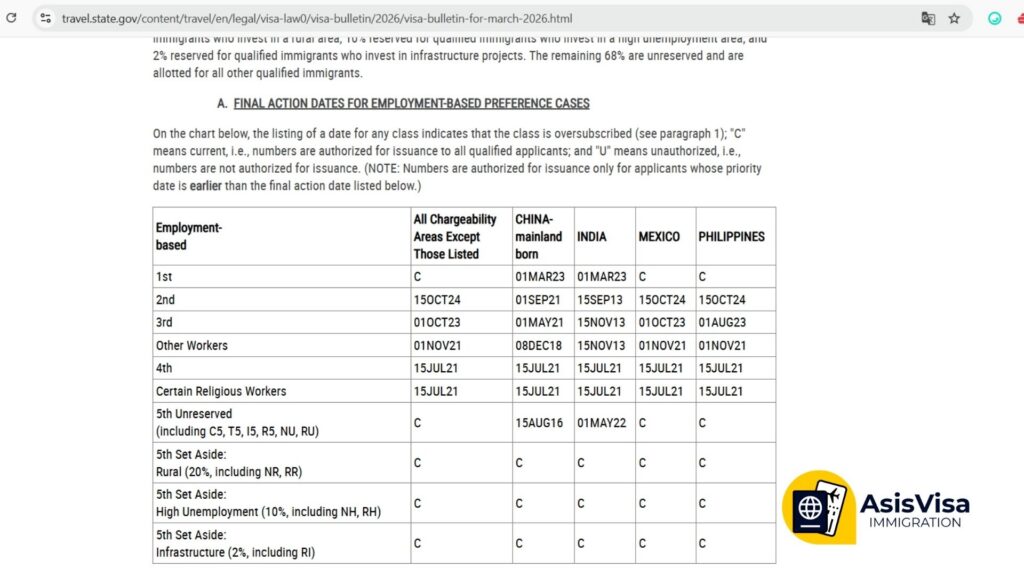
When it is said that the EB-2 NIW category is current, it means that visas are immediately available for those who qualify within this category.

This is determined through the monthly bulletin published by the US Department of State, known as the Visa Bulletin.

When a category appears as “Current”, it implies that:

Why is this a great opportunity?

When an immigration category is in effect, the process can be much faster and more straightforward.

For professionals interested in applying to the EB-2 NIW, this means:

In other words, when the category is in effect, the immigration system has the capacity to receive and process new applications.

Who can apply to the EB-2 NIW?

Generally, professionals who can demonstrate the following are eligible:

In addition, the applicant must demonstrate that their project or professional activity will benefit the national interest of the United States.

A strategic moment to apply

In the context of immigration, timing and visa availability play a key role. When a category like the EB-2 NIW is available, it represents a strategic moment to begin or advance the process.

Preparing a strong application, with clear professional evidence and a well-structured narrative of the applicant's impact, is essential to taking advantage of this opportunity.

How can ASISVISA help you?

At ASISVISA we support professionals who seek to build their life project in the United States through talent and merit-based visas.

Our team analyzes each profile to identify if the EB-2 NIW is the best option and designs a solid immigration strategy to maximize the chances of approval.

Important information

Quotas are established each year: 65,000 regular visas and 20,000 additional for professionals with a master's or doctoral degree obtained in the USA.

More to read

Discover other articles related to visas and immigration policies

AsisVisa stands out in Bronze Valley: the startup that is innovating migration processes to the United States

AsisVisa stands out in Bronze Valley: the startup that is innovating migration processes towards...

Recommendations for travelers: How does the presence of ICE at US airports affect you?

Recommendations for travelers: How does ICE's presence at US airports affect you?...

What does it mean for the EB-2 NIW visa to be valid?

What does it mean for an EB-2 NIW visa to be valid? In the world of immigration...

Changes to the H-1B Visa

Changes to the H-1B Visa: Higher salaries and specialized profiles will now be prioritized

Did you know that the H-1B visa lottery is no longer completely random? The game has changed, and now being more qualified gives you a real advantage.

Share this article on:

The U.S. government announced a substantial change to the H-1B visa selection process. The measure, spearheaded by the Department of Homeland Security (DHS) and published by U.S. Citizenship and Immigration Services (USCIS), transforms the traditional random lottery system into a model that prioritizes higher-paying, highly specialized positions.

This change redefines the landscape for foreign professionals and employers in the United States, marking a strategic evolution in the allocation of work visas.

How did the process work before?

Until now, when the number of applications exceeded the annual limit (85,000 visas available per fiscal year), the system operated through a completely random lottery, regardless of the salary level offered or the degree of specialization of the position.

What changes?

Under the new regulations, the selection process will no longer be entirely random and will adopt a model based on salary levels.
This means that:

This adjustment transforms the H-1B visa process into a more selective one, aligned with the added value of foreign talent. For those with highly specialized profiles, this scenario can represent a significant advantage.

What is the government's objective?

According to the DHS, the reform seeks to:

The message is clear: quality over quantity.

What Does This Mean for Professionals and Businesses?

For professionals:

For employers:

What do we recommend at ASISVISA?

At ASISVISA, we understand that regulatory changes require strategic anticipation. Our recommendation is:

The migration environment is evolving. The key is to adapt intelligently and with planning.
If you'd like to assess how this new rule impacts your case, schedule a free consultation at the following link and our team will be ready to advise you.

https://reuniones.clientify.com/#/english/sergio

More to read

Discover other articles related to visas and immigration policies

AsisVisa stands out in Bronze Valley: the startup that is innovating migration processes to the United States

AsisVisa stands out in Bronze Valley: the startup that is innovating migration processes towards...

Recommendations for travelers: How does the presence of ICE at US airports affect you?

Recommendations for travelers: How does ICE's presence at US airports affect you?...

What does it mean for the EB-2 NIW visa to be valid?

What does it mean for an EB-2 NIW visa to be valid? In the world of immigration...

Myths and truths about Donald Trump: What will happen regarding immigration?

Since Donald Trump announced his intention to run again for the presidency of the United States, immigration has been a cornerstone of his campaign. Trump's positions have generated divided opinions, and confusing information is common. In this article, we will break down some of the most common myths and realities behind his immigration proposals, from deportations to protection programs and work visas.

Myth #1: Mass Deportations

Fact: Although Trump is known for his pro-deportation stance, during his first term, these deportations primarily targeted immigrants with criminal records or those who entered the country without inspection. Currently, it is estimated that 3.31% of the U.S. population consists of undocumented immigrants, of whom 8.3 million are workers.

In his proposal for a second term, Trump has mentioned a mass deportation plan that would affect between 15 and 20 million people. However, experts point out that carrying out this initiative would be a costly and legally complex process. The feasibility of a large-scale mass deportation faces multiple challenges, both logistical and legal.

Myth #2: Trump will suspend Temporary Protected Status (TPS) programs

Fact: Trump attempted to eliminate TPS for several countries, which would have left approximately 300,000 people vulnerable to deportation. However, several of his attempts were blocked by the courts. It is worth noting that Trump granted the first TPS to Venezuela, which temporarily protected thousands of Venezuelans in the U.S.

Currently, 863,880 people live under this protection in the United States, coming from 16 countries including Venezuela, Haiti, and El Salvador. Unless renewed, 13 of these designations will expire next year, while three will expire in 2026. What will the future of TPS be under a new Trump administration? This is one of the most pressing questions for many families and communities.

Myth #3: Trump will not support political asylum

Fact: Although Trump imposed several restrictions on access to asylum during his first term, such as the "Remain in Mexico" agreement, he cannot eliminate this protection. The right to political asylum is grounded in international human rights agreements, and modifying this mechanism would require not only congressional approval but also a complex legislative process.

Although its approach to migration seems to be leaning towards greater restrictions, asylum remains a humanitarian protection that, being protected by international agreements, has legal barriers that prevent its elimination.

Myth #4: Trump will eliminate humanitarian parole

Fact: Trump has expressed his intention to end the use of humanitarian parole, which was approved in 2022 to grant temporary status to migrants from countries such as Venezuela, Cuba, Nicaragua, and Haiti. Around 530,000 people entered the country under this program.

Although the president has referred to parole recipients as “illegal immigrants,” the program failed not because of its design, but because of abuses and fraud committed in some cases. These problems led to its suspension, and a new Trump administration is expected to eliminate it permanently.

Myth #5: Trump would eliminate the benefits of the "Green Card"«

Fact: In an interesting turn of events, Trump recently proposed automatically granting permanent residency (Green Cards) to foreign nationals who graduate from U.S. universities. This proposal contradicts his anti-immigration stance from his first term and opens a potential pathway for international students to remain in the country after completing their studies.

While it is still a proposal, this measure could be beneficial for those who see education as a path to legal residency in the U.S.

Myth #6: Trump would eliminate visa programs for skilled workers

Fact: Although Trump attempted to restrict some visa programs, such as those for skilled workers, he never completely eliminated these visas, especially those used by technology companies. His "Buy American, Hire American" initiative aimed to reduce reliance on foreign workers, but the program remains in place and continues to be an option for skilled immigrants who want to work in the United States.

Despite his rhetoric, the need for qualified talent in areas such as technology and medicine has allowed these programs to survive and continue benefiting thousands of professionals.

Get informed and form your own opinion

The United States political system is complex, and the president does not have absolute power to implement all his proposals. Every measure must face judicial and political processes that act as a check and balance, ensuring that decisions are made based on the law and the public interest.

During campaigns, many promises are made, but in practice, the challenges are different. Immigration policies in the U.S. are a controversial and evolving issue that will surely be a recurring theme in the country's politics. It is crucial to be informed to better understand the myths and truths behind each measure and to form a well-founded opinion about the future of immigration in the United States under the Trump administration.

This is how AsisVisa, our story, began

We launched in the midst of a pandemic with a clear objective: to revolutionize the way immigration services are offered in the United States. 🚀🌎

Our idea

The vision is simple yet powerful: instead of spending thousands of dollars on legal fees, we've created software that guides immigrants step-by-step through preparing their application, providing support throughout the entire process. 💻✈️

Looking for Resources
To make it a reality, I needed to educate myself. That's when we went through our first acceleration program, where I was fortunate enough to meet my partner, Juan Esteban. 🚀👥
We continue our search for resources and training, which led us to participate in our second acceleration program in New York. 🌆💼

Sacrifice
We qualified for the final round of an institutional investment, and it just so happened to coincide with the premature birth of my greatest blessing's mother: Salomé. 👶💖

Investment fund
We secured our first institutional funding, a major step towards realizing our vision and transforming the future of immigration services. 💰🚀

Our team
Today we are an incredibly committed team, working together to make this dream a reality and take our vision to the next level. 💼✨

Customers
We've had the privilege of helping over 700 families with their immigration processes, and along the way, we've learned and perfected our techniques for employment visas. 👨‍👩‍👧‍👦✈️

Platform
Our platform automates the entire process: from generating forms and collecting evidence and statements to submitting visa applications. We are also authorized by USCIS to check case status directly in federal databases. 🖥️🇺🇸

It's your turn to fulfill your dream in the United States! Contact us via WhatsApp +1 (786) 619 5937 and we'll help you organize your immigration status in the United States.

The Political Asylum Clock in the United States: Everything You Need to Know

Political asylum represents a vital opportunity for those fleeing persecution and violence in their home countries. But what is the Asylum Clock and how can it affect your process? Below, we offer relevant information and tips to keep your clock ticking and protect your chances of obtaining political asylum.


What is the Asylum Clock?
The Asylum Clock is a crucial tool for asylum seekers in the United States. It is used to count the days that have passed since you filed your asylum application. This timeframe is critical, as it determines how long you must wait before applying for certain immigration benefits.


Application for a Work Permit:

When your Asylum Clock reaches 150 days, you have the opportunity to apply for a Work Permit, which will allow you to work legally in the country while you await a final decision on your asylum. It's important to note that, under normal circumstances, the process for obtaining a work permit takes up to 180 days.


How to Check the Asylum Clock?
Tracking your Asylum Clock is essential to stay on top of deadlines and necessary actions throughout the process. Fortunately, immigrants can check the status of their asylum case online through the U.S. Citizenship and Immigration Services (USCIS) website.


Additionally, you can obtain information about your asylum case by contacting
Call +1 (800) 989 71 80 and select option 2 to continue in Spanish. Then, you will need to provide your Alien Number, also known as your A-Number. With this information, you will be able to receive updates and track the progress of your application.


Take care of your Asylum Clock: Keeping your Asylum Clock moving is crucial to protecting your chances of obtaining political asylum.

Here are some tips to prevent it from stopping:

  • Attendance at Scheduled Appointments: It is vital to attend all appointments scheduled by immigration authorities on time. Missing an appointment can delay the process and negatively affect your case.
  • Address Update: If you move during the asylum process, you must inform USCIS of your change of address. This ensures that you receive important mail and that immigration authorities are aware of your whereabouts.
  • Attorney at your First Hearing: Attending your first asylum hearing with a lawyer is crucial. An immigration attorney can provide legal advice, increasing your chances of success.
  • Submission of Additional Documentation: If USCIS requires additional documentation to support your asylum claim, be sure to provide it promptly. Meeting the requirements strengthens your case and prevents unnecessary delays.


Remember that the Asylum Clock starts ticking the day the U.S. government receives your asylum application and stops when an immigration judge orders your deportation. Protect your chance of receiving political asylum by being diligent and keeping the clock ticking.

Political asylum in the United States = Hope for exile

Many of the questions that migrants have is whether they can apply for political asylum in the United States if they entered illegally.

The answer is YES, it is possible, as long as you meet the following requirements:

  • You cannot be in the process of removal.
  • You must apply for asylum within one year of your last arrival in the USA
  • Or you must demonstrate that you are eligible for an exception to the above requirement.

Countless people come to the United States seeking protection because of past experiences of persecution or the persistent risk of suffering persecution because of: their race, their religion, their nationality, their association with a social group, or their political ideology.

If you wish to apply for political asylum, you should know that there are two ways to obtain political asylum. I will explain what they are and what they mean:

Affirmative Asylum: To obtain affirmative asylum, you must be present in the USA. You must apply for asylum status regardless of how you arrived in the USA or your current immigration status.

Defensive Asylum: An asylum defense request occurs when you request asylum as a defense against your removal from the U.S. For an asylum application to be considered a defense, you must be in removal proceedings in Immigration Court with the Executive Office for Immigration Review (EOIR).

Do you need help with your asylum process? Leave us a comment

USA among the countries with the worst labor laws

According to a report by the NGO Oxfam America, the United States ranks among the lowest of developed countries with the worst labor laws, wage policies, worker protections, and union rights.

Of the 38 countries in the Organization for Economic Cooperation and Development (OECD), the United States ranks 36th in wage policies, 38th in worker protection, and 32nd in union rights, according to a report by the NGO Oxfam America.

The USA is "the only economically advanced nation that denies its workforce the fundamental right to paid leave," part of a series of policy decisions that fuel "extreme inequality" and "disproportionately harm people of color, women, immigrants, and refugees," says Kaitlyn Henderson, a researcher with Oxfam America's US National Policy Program.

The USA could look to countries like Spain as a model, where 16 weeks of paid parental leave are guaranteed to both parents.

The U.S. has a federal minimum wage that hasn't been increased in 14 years, and it only covers 29% of the national average wage, compared to countries like Belgium, where it covers 75%.

The U.S. lag behind other developed nations, primarily in Europe, such as Belgium, France, and the Netherlands, is a matter of political will. Therefore, the solution lies with legislators and activists who can use the index to identify opportunities for improvement that will benefit working families in the United States.

Immigration falls into a 70% with the end of Title 42

According to figures from the Department of Homeland Security (DHS), since May 11, with the end of Title 42, more than 38,400 people have been repatriated, including citizens of Cuba, Venezuela, Haiti and Nicaragua who were returned to Mexico under Title 8.

On the other hand, Republicans claim that instead of a "decrease" in the arrival of migrants, what is currently happening is an evasion in the way the figures of migrants crossing the USA irregularly are presented, or at least that is what Clay Higgins, a representative of the House, argues.

According to agents, in the days leading up to the end of Title 42, encounters with migrants attempting to cross reached 10,000 per day, so the Title 8 rule has generated significant relief, in addition to Mexico's help in accepting migrants deported from the USA.

With Title 8, the Biden administration seeks to control irregular immigration for migrants, and open legal possibilities for some, through processes such as: Humanitarian Parole, CBP ONE for Political Asylum and Family Reunification (Not Yet Regulated).

23,000 people have entered the USA since May 12 with Humanitarian Parole, a program that allows Venezuelans, Haitians, Cubans and Nicaraguans to stay in the USA for 2 years.

On the other hand, at the ports of entry, the asylum applications of 1,070 people who scheduled an appointment to present their case through the CBP One application were processed.

Some argue that the current decline is a “fragile balance” that may “be affected in the future” because “the factors in our hemisphere that are driving the historical movement of people still exist, and that traffickers use misinformation to encourage migration.”.

Sources: San Diego Union Tribune and Voice of America

Hosted by WordPress Clusters