Key Questions to Obtain a Green Card Through Marriage

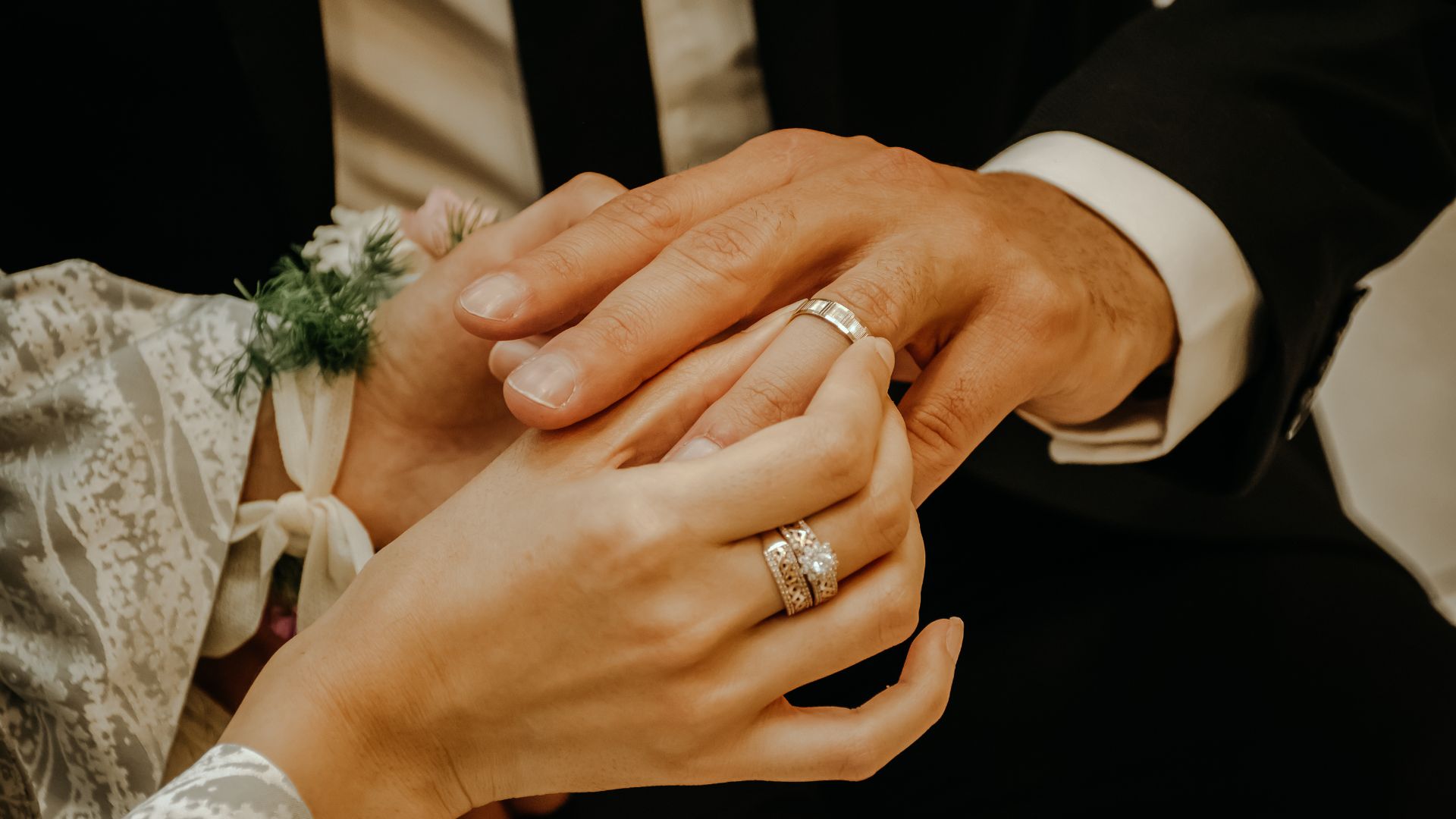
Obtaining permanent residency through marriage is a path filled with patience and attention to detail. The process may seem intimidating, but Being prepared for the questions you might face will give you confidence and peace of mind. Immigration authorities will want to ensure your marriage is genuine, so during the interviews, they will likely ask you a series of detailed questions about your relationship and life together. Below are some of the most common questions you should anticipate when preparing your application.

  1. Is marriage genuine?
    This is the foundation of the entire process. The authorities want to ensure that your marriage isn't just for convenience or to obtain immigration benefits. You'll need to demonstrate a genuine loving relationship and mutual commitment.
  2. How did they meet?
    The details about how and when the relationship began are crucial. Be prepared to tell the story of how they met, from the place to the context of their first encounter.
  3. When did they decide to get married?
    Immigration officials will want to know how the relationship evolved leading up to marriage. It's helpful to share important dates and key moments that led to the decision to get married.
  4. How did they celebrate their wedding?
    It's not just the wedding date that matters, but also how they celebrated. Details about the ceremony, the guests, and the reception can be helpful in demonstrating the authenticity of the relationship.
  5. Do they live together? Where is their shared residence?
    It's essential that you can demonstrate you have a life together, which includes sharing a home. You'll likely be asked about your address and daily routine at home.
  6. Do you have proof of living together (rental agreements, mortgages, joint bills)?
    Proof of shared residence is crucial in the process. Make sure you have documents showing that you are both registered at the same address, such as rental agreements, mortgages, or joint utility bills.
  7. What is their daily life like? What activities do they do together?
    Besides sharing a home, they'll also want to know about how they interact in their daily lives. Talking about activities they enjoy doing together can help provide a more complete picture of their relationship.
  8. Do they have a joint bank account? How do they manage their finances?
    Sharing financial responsibilities is an indicator of a strong relationship. Authorities might ask if you have a joint bank account or how you manage your finances in general.
  9. Do they know each other's families and friends?
    A genuine relationship involves integration with the partner's loved ones. Questions about whether they know each other's families and friends, and whether they have attended family events together, are common.
  10. Do they have long-term plans?
    Talking about the future is a way to demonstrate that the marriage is genuine. Questions such as whether they plan to have children, buy a house, or how they envision their life together in the long term are key in the interview.
  11. How do they handle cultural or linguistic differences?
    If they come from different cultures or speak different languages, they'll likely ask you how you've handled these differences. Explaining how you've adapted and communicated can be important to the process.
  12. What was their relationship like before marriage?
    Officials may inquire about the relationship before the marriage: how and when it began, what their courtship was like, and whether they had any breakups or separations. These details help verify the authenticity of the relationship.


While the process of obtaining a Green Card through marriage may seem overwhelming, being prepared for these questions will help you feel more confident and demonstrate the genuineness of your relationship. Remember that transparency and details about your life together will be key to success in this process.


Family Petition Lies You Should Know

When it comes to immigration to the United States, Family petitioning is one of the most common ways to obtain a Green Card. However, there are many myths surrounding this process. Here we debunk some of the main misconceptions about family petitions that you should know to avoid misunderstandings and surprises.

  1. A family petition guarantees a Green Card ❌
    This is a fairly common misconception. Approval of a family petition (Form I-130) does not automatically guarantee a Green Card. While the I-130 is the first step, the entire process can take several months or even years, depending on the visa category and the applicant's country of origin. In some cases, people must wait several years before they can move on to the next step, which is applying for permanent residency.
  2. US citizens can sponsor any family member ❌
    Contrary to popular belief, it is not possible to sponsor all family members. U.S. citizens can only sponsor immediate family members such as spouses, children, siblings, and parents. Other relatives, such as grandparents, grandchildren, in-laws, nephews, nieces, uncles, or cousins, are not eligible for this type of petition.
  3. Filing a family petition allows you to work immediately ❌
    This is another myth that can cause confusion. Filing a family petition does not automatically grant you the right to work in the United States. To work legally, the petitioner must file Form I-765, Application for Employment Authorization. Without this authorization, it is not possible to work legally, even if the family petition is approved.
  4. You just need to submit the request and wait until your family member receives the Green Card ❌
    The family-based petition process is not limited to filing Form I-130 and waiting patiently. There are several additional steps along the way. You will likely be asked for additional documentation, you will need to attend interviews, and it is essential to stay on top of any notifications sent by USCIS. Failing to pay attention to these details can delay the process and even result in the denial of your petition.

A family-based petition is an important path to obtaining residency in the United States, but it's crucial to understand the process thoroughly and be aware of the realities behind the myths surrounding it. If you're considering filing a family-based petition, be sure to consult an immigration expert for proper guidance and to avoid falling into these misconceptions.

Green Card for Skill: The Case of Ángel Barajas

Ángel Barajas, a talented 17-year-old Colombian gymnast, has conquered the sporting world by winning the silver medal in the horizontal bar event at the 2024 Paris Olympics. This achievement not only places him among the elite of international sports but also opens a special door for him to obtain permanent residency in the United States. How is it possible for Ángel to get his Green Card in just 45 days? Let me explain.


EB-1A Visa: For Individuals with Extraordinary Abilities
Thanks to his incredible performance and the Olympic medal he won, Angel is a perfect candidate for the EB-1A Visa, designed for people with extraordinary abilities in areas such as business, sports, science, education and the arts.


This visa is particularly beneficial because it recognizes high-level achievements, such as Olympic medals, without requiring compliance with some of the more complicated requirements of other immigration categories.


Why is the EB-1A Visa Different?
Unlike many other employment-based visas, the EB-1A visa does not require labor certification. In other words, there is no need to go through the lengthy process of proving that there are no qualified U.S. workers for the position, which significantly reduces the waiting time.


Waiting Times: How Could Angel Get a Green Card in 45 Days?
One of the most notable features of the EB-1A visa is that, as a first-category visa, it is exempt from the long wait times outlined in the Visa Bulletin. This means that, unlike other categories where applicants must wait months or even years to obtain their residency, Ángel could receive his Green Card in as little as 45 days.


Benefits of the EB-1A Visa


Choosing the EB-1A Visa has great advantages, including:


✅ Immediate application for Permanent Residence: There are no long waiting lists, as with other visas.
✅ You don't need a job offer: Unlike other employment-based visas, you don't need to have a job offer in the United States.
✅ No specific education or work experience requirements: What matters most is your extraordinary ability and the achievements that demonstrate it.
✅ Include family: You can apply for residency for your spouse and unmarried children under 21 so they can immigrate to the U.S. with you.

The case of Ángel Barajas is a clear example of how extraordinary talent can open doors not only to international recognition but also to the possibility of living and working permanently in the United States. The EB-1A visa is an excellent option for athletes, artists, scientists, and other professionals who have reached the pinnacle of their fields. If you have similar achievements and are considering immigrating to the U.S., this could be the best option for you.


Do you have questions about the EB-1A Visa process? Contact us at AsisVisa! We're here to help you get your Green Card and secure your future in the United States.

From Student to Resident with the EB-2 NIW: Let Me Tell You How We Achieved Approval in 9 Months

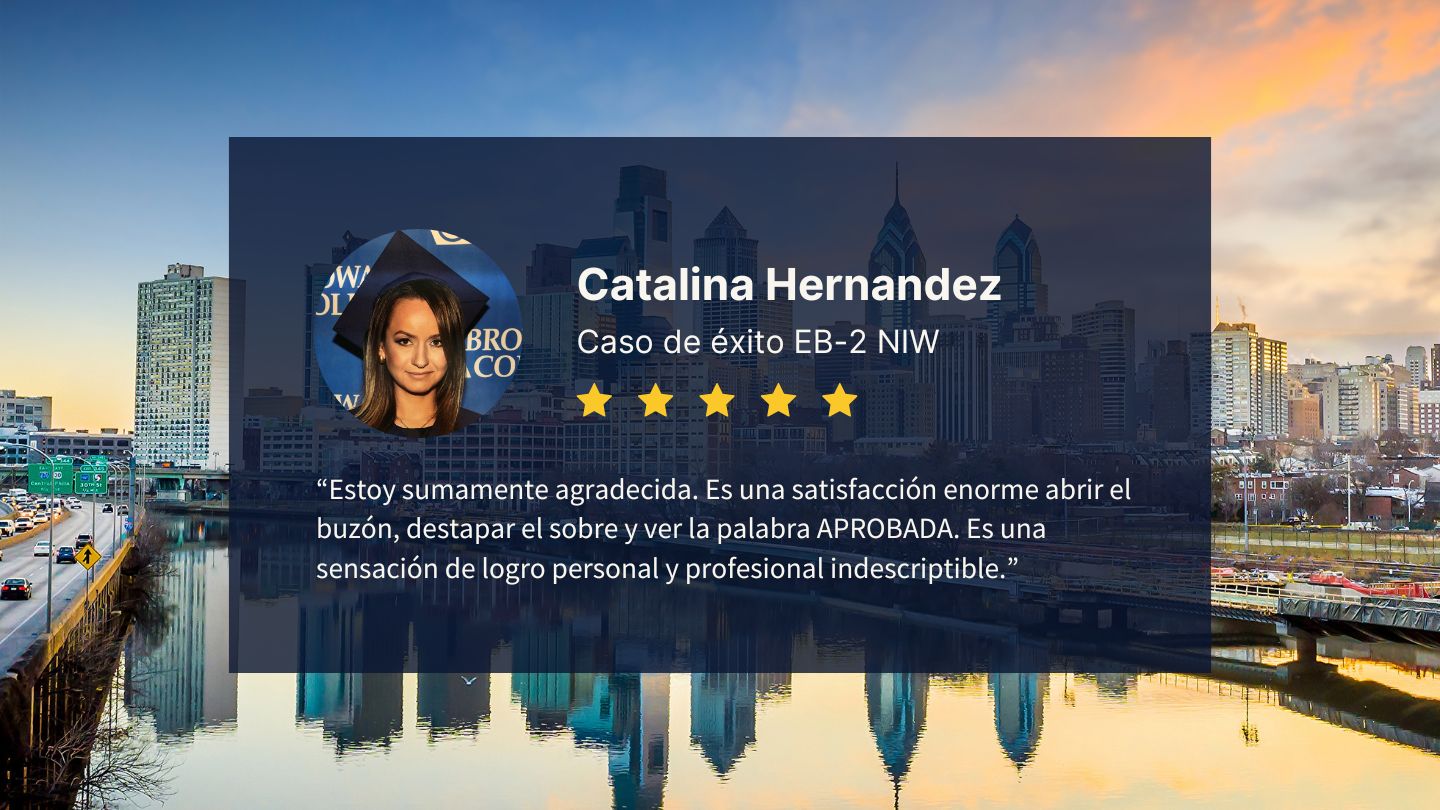
The dream of many migrants is to become permanent residents in the United States, and Catalina Hernández made it a reality. Nine years ago, she arrived in the country on a tourist visa, then changed her status to student, and since then she has been determined to stay and obtain her Green Card on her own.

Catalina dedicated herself fully to her studies during these nine years. She took English courses, specialized training, and even a master's degree, all with a single goal: to become a Permanent Resident.

And he did it in nine and a half months! Without paying premium processing fees, meaning he didn't have to shell out any extra money to the federal government to expedite his application. Sounds incredible, right? Well, let me tell you how we did it.

Professional Profile 

Catalina is a Business Administrator, graduated from Universidad Externado de Colombia, with an Associate in Science in Marketing Manager and a Master of Business Administration with an emphasis in Marketing from Nova Southeastern University in Miami, Florida.

Thanks to her solid professional experience and years of experience, she was able to apply for the EB-2 NIW visa, which requires being a professional with at least five years of experience or having a master's degree. Catalina fully met this requirement.

Project of national interest

Catalina developed a project where she analyzes diagnostic images for children using software with a less invasive methodology, which reduces patients' exposure to X-rays.

This project, based on his experience in diagnostic imaging, formed the basis of his EB-2 NIW application. What's special about this visa is that you don't need a sponsor, but you do need to present a project that demonstrates why you are of national interest and deserve permanent residency in the United States.

USCIS Response Times

We submitted the application on October 13, 2023. On April 10, 2024, we were asked for additional evidence (RFE), which we responded to on July 8, 2024. Finally, on July 26, 2024, our application was approved!

Since her case has a priority date of October 13, 2023, and the latest visa bulletin indicates they are reviewing applications from March 2023, if the bulletin were to proceed linearly, Catalina would have to wait seven months to apply for her Green Card. But for now, she can rest assured because her case has already been approved.

Catalina is now one step closer to her Green Card, proving that with perseverance and a good business plan, dreams do come true.

Now it's your turn! If you're ready to take the next step towards your residency, contact us on WhatsApp +1 (786) 619 5937 or through our social media @asisvisa and let's make your dream a reality.

Work legally in the U.S. with an EB-3 Visa

Are you looking for a way to live and work permanently in the United States? The EB-3 visa could be your solution! This visa allows you to become a permanent resident in the U.S., even if you don't have a professional degree. Here's how it works and the steps you need to take to apply.

What is the EB-3 Visa?
The EB-3 visa is an employment-based visa, meaning you will need a valid job offer to apply. There are two categories within this visa:

Unskilled workers: People who do not need to have special skills, but must have at least 2 years of work experience in their field.


Skilled workers: Professionals with a special skill or extraordinary experience in their field. These types of workers typically require university degrees or specific skills.


Don't know where to start? Below I explain the key steps to apply for the EB-3 Visa.

  1. Having a Job Offer
    The first step in applying for an EB-3 visa is to have a valid and permanent job offer from a U.S. employer. This employer must demonstrate that there are not enough qualified workers in the U.S. to fill the position, thus justifying the hiring of a foreign worker.

Tip:
Make sure the job offer is legitimate and meets the job requirements. The employer should be willing to sponsor your visa and work with you throughout the process.

  1. Obtain Labor Certification
    One of the most important requirements is obtaining a Labor Certification from the U.S. Department of Labor (DOL). This certification ensures that:
  • There are no American workers available to fill the position.
  • Hiring a foreigner will not adversely affect the wages or working conditions of American workers in similar positions.
  • This step is mandatory for both skilled workers and professionals. Labor certification demonstrates that the employer has complied with all hiring regulations.
  1. Comply with Employment Eligibility
    To be eligible for the EB-3 visa, you must qualify for the offered job. Depending on your category, the requirements may vary.

Skilled workers: The position requires the necessary experience, education, or training. This may include university degrees, certifications, or several years of work experience.
Unskilled workers: Although no special skills are required, a minimum level of education or work experience may be required to apply.

  1. Submit the Documentation and Forms
    The final step is to complete and submit all required forms to U.S. Citizenship and Immigration Services (USCIS). Be sure to include the following documentation:
  • Your employer's job offer.
  • The DOL Labor Certification.
  • Evidence that demonstrates your eligibility for the position (degrees, work experience, etc.).
  • Any other documents requested to support your application.


The EB-3 visa is an excellent option for those who wish to live and work in the United States, whether they are professionals with specialized skills or experienced workers. This process requires meeting specific requirements and working closely with an employer willing to sponsor you. If you follow the correct steps and submit the appropriate documentation, you can become a Permanent Resident in the U.S. Don't hesitate to take control of your future and begin your process today!

If you have any questions or need help with the application process, contact us at AsisVisa. We're here to help you achieve your dream of living and working in the United States.

The secret to staying longer in the United States: Extend your tourist visa

Are you enjoying your time in the United States and wish you could stay a little longer? I have good news! It's possible to extend your authorized stay with a tourist visa. Here's how to do it, and if you're planning a future visit, this information will also be very useful.

To apply for a Visa Extension, you will need to meet certain requirements and prepare the necessary documentation. Take note of what you need:

  • Valid passport: Make sure your passport does not expire during the time you plan to stay.
  • Form I-94: This is your record of entries into and exits from the U.S. You must submit a copy.
  • Financial Support: Provide bank statements from the last 3 months to show you can support yourself during your extended stay.
  • Proof of Intent to Return: Demonstrate your intention to return to your country of origin. This may include academic credentials, employment contracts, property ownership documents, etc.

The right time to submit your Visa Extension application is crucial. Here are some guidelines:

  • Wait at least 90 days: Although you can request an extension at any time, it is advisable to wait at least 90 days after your arrival in the U.S. to demonstrate that you did not intend to stay longer from the beginning.
  • Don't Wait Too Long: Don't leave your application until the last minute. It's recommended that you submit your application at least 45 days before the expiration date of your authorized stay as shown on your I-94.

Mistakes You Shouldn't Make

  • Irregular Presence: Do not stay in the U.S. beyond the authorized period. Even a short amount of time in irregular presence can have serious consequences for future visa applications.
  • Trips to Nearby Countries: Do not leave the U.S. and return expecting your I-94 to be automatically renewed. This is not the standard procedure and may result in being denied entry.
  • Respect the Intent of the Visa: Use your tourist visa for tourism only. Do not work or study full-time on this visa, as violating the terms of your visa may result in deportation and a future ban on entry.
    Conclusion

Extending your tourist visa can be a simple process if you follow the rules and submit your application on time. Make sure you have all the necessary documentation and avoid common mistakes to enjoy your extended stay in the United States without worries.

If you have any further questions or need assistance with your application, please contact us via social media @asisvisa or our WhatsApp number +1 (786) 619 5937

Divorce: How does it affect your immigration status in the United States?

If you're in the process of filing a Family Petition based on marriage in the United States and would like to know what might happen if you get divorced, here's what you need to know!

What happens if you get divorced before obtaining your Green Card?
The impact of a divorce between an immigrant and a citizen or permanent resident depends on the stage of the immigration process the marriage is in. If you divorce before obtaining permanent residency, this could have a significant impact on your immigration status and your future in the United States.

Cases and exceptions

  1. Divorce before obtaining a Green CardIf you are currently in the process of a marriage petition, but you have not yet been scheduled for an interview, and the beneficiary does not have permanent residency, your immigration process will be halted. This means you will lose eligibility to apply for a green card, which could lead to your deportation.
  2. Divorce after obtaining a Green Card If you divorce after obtaining permanent residency, the risk of deportation is lower. However, there may still be consequences for obtaining citizenship, or the waiting time for permanent residency if you are a conditional resident may increase from 3 to 5 years because you are not married.
  3. Divorce and Conditional Green CardIf you get divorced while you're on conditional residency, your immigration process will likely be affected. To avoid the consequences, you can:
  • Submit Form I-751 to USCIS to request the removal of conditional residency due to marriage.
  • Submit an exemption from the joint filing requirement.
  • To prove that the marriage was in good faith.

    Divorce and Green Card for dependents
    Divorce can affect the immigration status of other family members who depend on the same immigration process as the immigrant spouse.

    Exceptions for appealing a deportation
    Demonstrate that they entered into a marriage in good faith and it was terminated due to a cause unrelated to the immigrant spouse.
    The immigrant spouse could face extreme hardship if deported to their country of origin.
    The immigrant spouse was a victim of extreme cruelty, physical or psychological abuse by the U.S. citizen or lawful permanent resident spouse.

    Need help? Contact us! +1 (786) 619 5937

    Important Questions for Obtaining a Green Card through Family Petition

    If you dream of living as a permanent resident in the United States, one of the most common paths is through a Family Petition. In this post, we'll answer the most frequently asked questions about this process. Join me!

    Who can be sponsors?
    To initiate a Family Petition, it is essential to know who can act as a sponsor. Sponsors can be:

    • US citizens.
    • Legal permanent residents (Green Card holders).

    Which family members can they ask?
    Eligibility to petition for family members depends on the sponsor's status. Below is a table illustrating which family members can be petitioned for by both U.S. citizens and lawful permanent residents.

    Permanent Residents (LPR), They can apply for permanent residence for their spouse, unmarried children under 21 years of age, and unmarried children 21 years of age or older.

    American Citizens, They have more options and can apply for permanent residence for spouse, unmarried children under 21 years of age, unmarried children 21 years of age or older, married children of any age, parents (if the citizen is at least 21 years old), and siblings (if the citizen is at least 21 years old).

    How long does the process take?
    The processing time for a Family Petition varies depending on the family relationship and the sponsor's status. Generally, immediate relatives of U.S. citizens have shorter processing times. For accurate information on processing times, it is recommended to check the dates in the Visa Bulletin.

    What are the main requirements?
    For a Family Petition to be approved, certain fundamental requirements must be met, including:

    • Form I-130 completed
    • Proof of relationship (marriage certificates, birth certificates, etc.)
    • Proof of sponsor status (documents proving that the sponsor is a citizen or permanent resident)

    Can my family member remain in the United States until becoming a Permanent Resident?
    The answer to this question depends on your family member's current situation. If your family member is already in the U.S.: They may be eligible to adjust their status without leaving the country.
    If your family member is outside the country, they will need to complete the consular process, obtaining the visa at a U.S. embassy or consulate abroad.

    Understanding the Family Petition process is crucial for helping your loved ones become permanent residents of the United States. Every step, from determining who can be a sponsor to knowing the requirements and wait times, is essential for a successful application.

    If you have further questions or need personalized assistance, don't hesitate to seek help from an immigration expert. Good luck on your journey to permanent residency for you and your family!

    Change of status from tourist to student approved in one month

    Let me tell you how we got this request approved without paying premium processing fees.

    Imagine you entered the United States on a tourist visa and want to stay to study. However, time is not on your side. Even so, you trust the process and embark on submitting your application just one day before your authorized tourist stay expires. It sounds very risky, right? Well, I'm not lying. I'm talking about a real case of a client we helped with their Change of Status application, and it was approved within a month.

    I'll tell you step by step what we took into account to achieve its APPROVAL, and what you should also know if you want to make a Change of Status in the United States.

    Verify that you meet the requirements:
    Before starting the process, make sure you meet all the necessary requirements.
    1. Valid passport.
    2. Have your valid legal tourist status.
    3. Have the financial means to cover the costs of your studies.
    4. Demonstrate ties to your country of origin.

    Apply to a certified school:
    You must be accepted into an educational institution certified by the Student and Exchange Visitor Program (SEVP).
    If you don't know where to look for the school, here's a link where you can find it: https://studyinthestates.dhs.gov/school-search

    Request Form I-20
    Once you are admitted, the school will send you Form I-20, Certificate of Eligibility for Nonimmigrant Student Status. Don't forget to verify that the information on the form is correct.

    Pay the SEVIS I-901 fee
    You must pay the SEVIS (Student and Exchange Visitor Information System) I-901 fee. I'll explain what you need to have on hand to make your payment.

    – Access to the SEVIS I-901 payment website: https://www.fmjfee.com/i901fee/index.html
    – Information from Form I-20 to complete the payment.
    – Confirmation of payment of the SEVIS fee.

    Complete and submit the form
    You must complete Form I-539, Application to Extend/Change Nonimmigrant Status. If you need assistance with this step, don't worry, AsisVisa can guide you through the entire process until we receive a response regarding your case.

    Would you like to get your status change in record time? Send us a message on WhatsApp +1 (786) 619 5937

    Apply for the EB1 Visa for a Green Card without waiting.

    Live and work in the U.S. and obtain permanent residency. If you have extraordinary skill or talent in the arts, sciences, education, business, or sports, you can apply for an EB-1 visa. Although the EB-1 is an employment-based option, if you qualify, you don't need an employer to sponsor you. You can self-petition!

    If you're considering immigrating without an employer, or if you own a business, you have excellent options to fulfill your dream of living in the United States. Your best option is the EB-1 visa, which is divided into the following subcategories:
    EB-1A: For those with extraordinary abilities in the areas of business, athletics, science, education, and the arts.
    EB-1B: For outstanding researchers and professors.
    EB-1C: For managers and executives of multinational companies.

    Benefits of EB-1:

    No job offer
    Unlike most employment-based Green Card categories, the EB-1A application does not require going through the lengthy Labor Market Test (PERM) process to demonstrate that there are no qualified U.S. workers available.

    Migrate with your family
    You can petition for your spouse and unmarried children under 21 to immigrate to the United States with you. They may also be eligible for work permits.

    Premium processing
    There is a premium processing program, which means your application could be approved in 15 days or less. This is unless a Request for Evidence (RFE) is submitted, which could extend the processing time for your case.