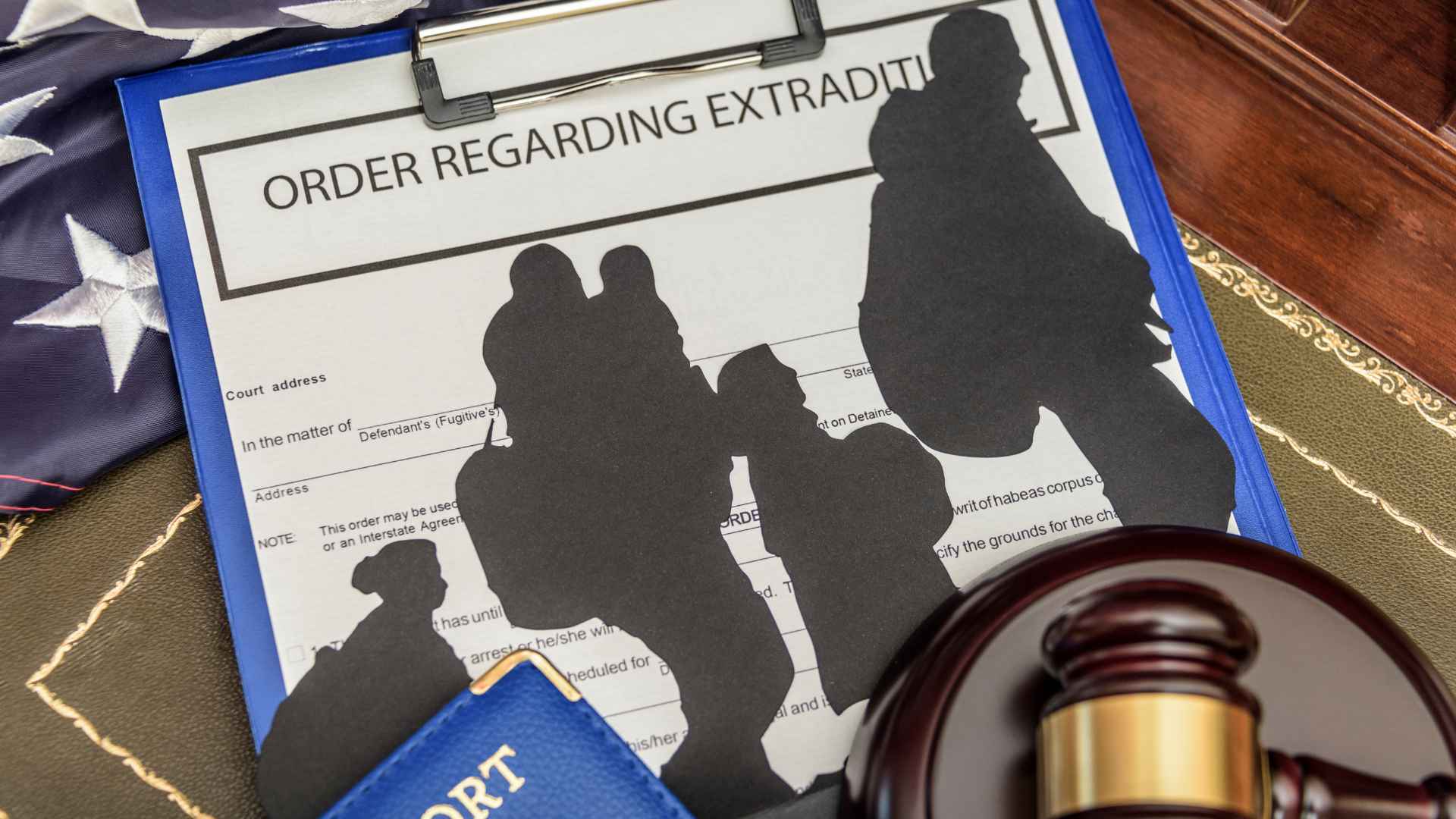
Even without Title 42, the United States will continue deporting under Title 8

This May 11th, Title 42 will be repealed in the United States, a public health policy that allowed for the expedited expulsion of undocumented immigrants due to Covid-19.

Despite the end of Title 42, immigrants will continue to be deported under Title 8. According to this law, migrants will face more severe consequences for crossing the border illegally. People who cross the border without first requesting asylum will be expelled from the U.S.

Among the measures taken by the US is the installation of barbed wire fences in various parts of the border before Title 42 expires. In addition, Greg Abbott, Governor of Texas, ordered the deployment of more than 500 National Guard troops along the southern border of the state. He called the operation a "border tactical force" and intends to use it to curb illegal immigration.

According to the Department of Homeland Security, the number of deportees during the first half of fiscal year 2023 returned “225,480 people, up from 170,896 during the same period of the previous year,” and expelled “more than 440,000 people under Title 42 during the same period.”.

In the need to control a mass exodus, the USA stated that it will create special centers and offices in countries like Colombia and Guatemala, in order to contribute to the processes of family reunification and migration to the North American country in an orderly and legal manner.

The tension surrounding the new implementation of Title 8 has both the United States and Mexico in a state of uncertainty that can only be resolved on May 11 when Title 42 expires.
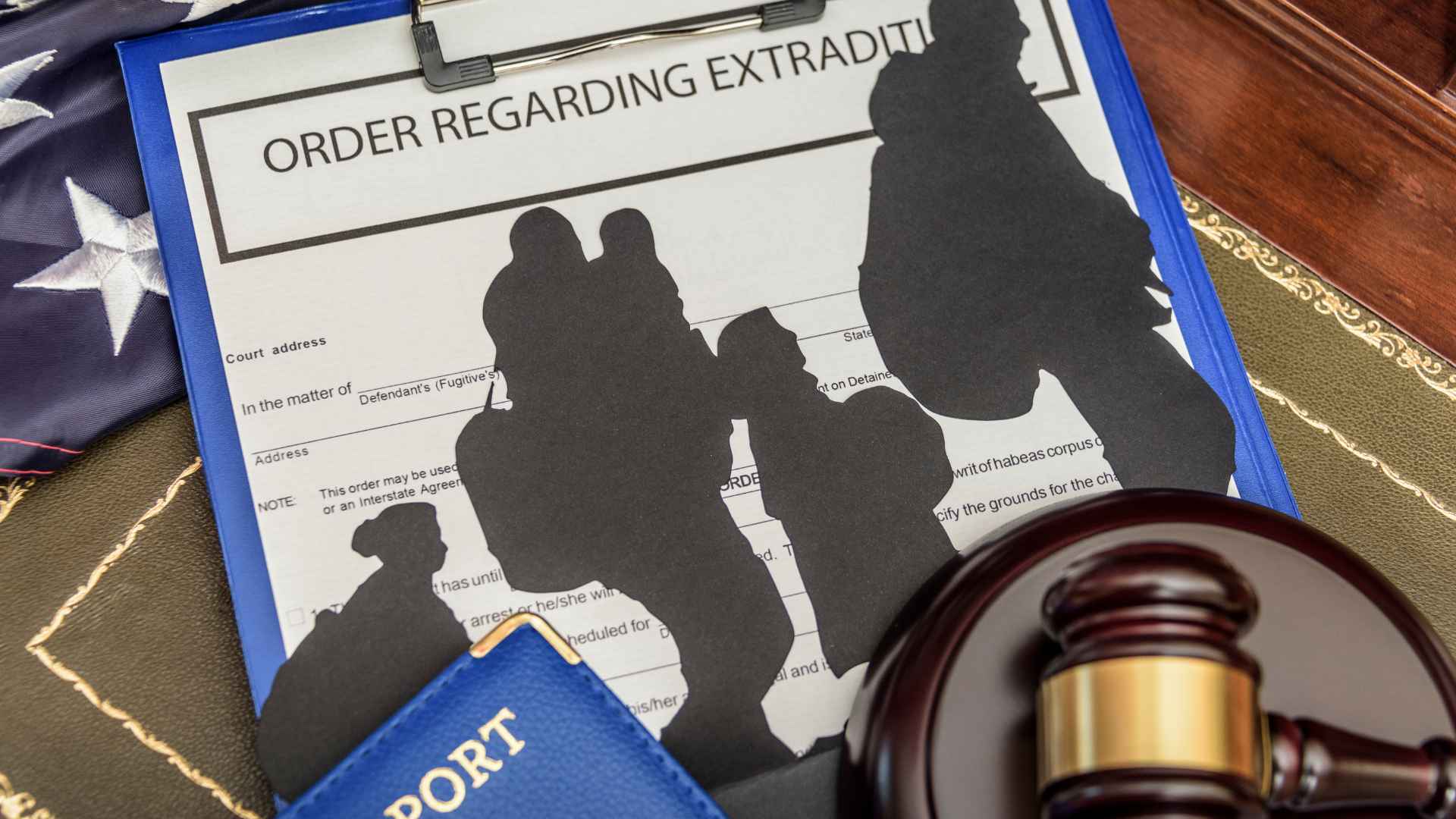
Migration 2022: challenges and crises

During these 12 months, the United States border has seen unprecedented numbers of migrants, causing a migration crisis due to the difficult economic and political situation in Latin America, especially in countries like Venezuela, Cuba, and Nicaragua.  

VENEZUELAN EXODUS 

Venezuelan migration has been recognized as one of the world's largest displacement and migration crises, surpassing that of Syria, according to the International Organization for Migration.

The number of displaced Venezuelans has exceeded 7.1 million, according to the Inter-Agency Coordination Platform for Refugees and Migrants from Venezuela (RAV).

Cubans in the USA

According to U.S. Customs and Border Protection (CBP), approximately 224,607 Cubans attempted to enter the United States during 2022, a number that surpasses the combined records of the Mariel Boatlift in 1980 and the Balseros Crisis in 1994, the worst migration crises in the history of the Caribbean island to date.

MIGRATION RECORD IN THE DARIEN

According to forecasts from the International Organization for Migration (IOM), an estimated 200,000 irregular travelers will have crossed the Darien Gap border crossing located between Colombia and Panama in 2022.

HISTORICAL MIGRATION IN THE USA

Political and economic crises in the region, coupled with the effects of COVID-19, have influenced the record numbers of migrants arriving in the US.

US border patrols recorded contact with more than 2.7 million migrants in 2022 and 1.6 million in 2021, a dramatic spike compared to previous reports of 405,036 (2020), 859,501 (2019) and 404,142 (2018).

VISAS FOR VENEZUELANS

The U.S. government has implemented a humanitarian visa program for Venezuelans* that will allow 24,000 applicants to enter the country and live and work legally for two years. *This new measure was implemented to reduce the record number of people arriving daily at the U.S. southern border.

RECORD OF NATURALIZATION IN THE USA

Nearly 1 million immigrants became U.S. citizens in 2022, the highest number of naturalizations in the past 15 years, according to U.S. Citizenship and Immigration Services. *The top five countries of birth for the new citizens were Mexico, India, the Philippines, Cuba, and the Dominican Republic.

TITLE 42 REMAINS 

The administration of US President Joe Biden intended to repeal Title 42, a measure that allows for the expulsion of people who cross the border illegally. Although it was officially set to expire on December 21, the Supreme Court issued an order postponing its repeal. The decision on whether the law will remain in effect could still be delayed until February.

Do you think 2023 poses a challenge for Joe Biden's government on immigration issues?

News story created with information from Voice of America

Even without Title 42, they will continue to deport

Title 42 is a 1944 law that Trump recently used to expel immigrants from the US. This law empowers the federal government to take extraordinary measures to prevent the introduction of easily transmissible diseases into the country. Trump used this legislation to expel thousands of immigrants under the pretext of COVID-19.

After a long legal battle between Democrats and Republicans over the legality of this policy, Title 42 will expire this Wednesday, December 21. This represents a victory for the Democrats, but leaves a bitter taste for the immigration system.

With the end of Title 42, we return to Title 8, regulations that are more rigid and strict than 42. Under these regulations, people who enter irregularly must be interviewed by a border agent and demonstrate a "credible fear" of returning to their country
of origin.

The penalties for those who have entered the country illegally on repeated occasions are more severe. Furthermore, the situation is unclear for individuals who were removed under Title 42 and are now attempting to enter under Title 8, since removal under Title 42 is based on public health concerns, while removal under Title 8 is based on admissibility or inadmissibility under immigration law.

In other words, this means that deportations under Title 42 did not take into account a person's merits for remaining in the U.S. Therefore, the government could deport people to Mexico and make them wait there for their hearing, regardless of whether or not they had a strong asylum case. This discouraged many people from crossing irregularly.

With the end of this policy, the door is opened for thousands of immigrants to attempt to enter irregularly starting Wednesday. This is for two reasons: first, there is no mechanism to deport anyone who fails the credible fear interview; and second, those who were deported under Title 42 have not been deported under Title 8, which has a different standard.

Faced with the surge of migrants waiting to cross the border, the Biden team claimed to have increased resources for the area, improved application processing, imposed penalties for illegal entry, and targeted smugglers. Even so, the issue of immigration is a ticking time bomb that could explode at any moment.

News report compiled from: CNN and San Diego Union Tribune

Title 42 Collapse, Migratory Nightmare

Monumental Migration, that's how many border patrol agents classify the event that is expected as soon as the Title 42 pandemic policy ends, just a few days before Christmas.

In other words, there will be no one to stop the more than 1 million migrants who were expelled and crossed the border between the United States and Mexico.


Under Title 42, Customs and Border Protection (CBP) prohibits the entry of certain individuals who "potentially pose a risk to public health (COVID-19).".

After the Biden administration announced it would withdraw the Title 42 policy, a debate erupted over whether ending its enforcement is justified and whether officials are prepared to handle the influx of people who will enter the already dysfunctional immigration system.

The Border Patrol could face investigating nearly 18,000 arrests per day after this policy is withdrawn, while currently handling approximately 6,000 detainees daily amid this crisis. For context, a DHS secretary during the Obama administration stated that 1,000 arrests per day constituted a "crisis.".

The 6,000 daily arrests since President Biden took office have already put agents in a bind, especially since the Biden administration decided not to detain immigrants in federal facilities until they appear in court, resulting in more than 1.5 million people being released in the U.S. instead of being detained.

Backlogged immigration courts mean that someone released today may not be in court until 2028, while living in the U.S. on "parole," a new legal status created by the Biden administration.

The entry of migrants can be classified as free entry starting December 21, since there will not be enough agents to control the entry of illegal immigrants across the border, which will lead the Customs and Border Protection Office to release virtually all of them.

It will be the perfect opportunity for smugglers, who earn between $5,000 and $50,000 per person, to move people with criminal records and drugs across the border in an unguarded area, since approximately half of all agents have been withdrawn from the field to transport, process, and care for detainees.

What some migrants are hoping for is to maintain a glimmer of hope of entering the United States after months or even years of waiting in camps and makeshift shelters in Mexico. Meanwhile, Border Patrol agents are concerned about the unprecedented surge of migrants expected at the border after December 21st.