
Implications for immigrants of the presence of ICE agents in US airports.
Share this article on:
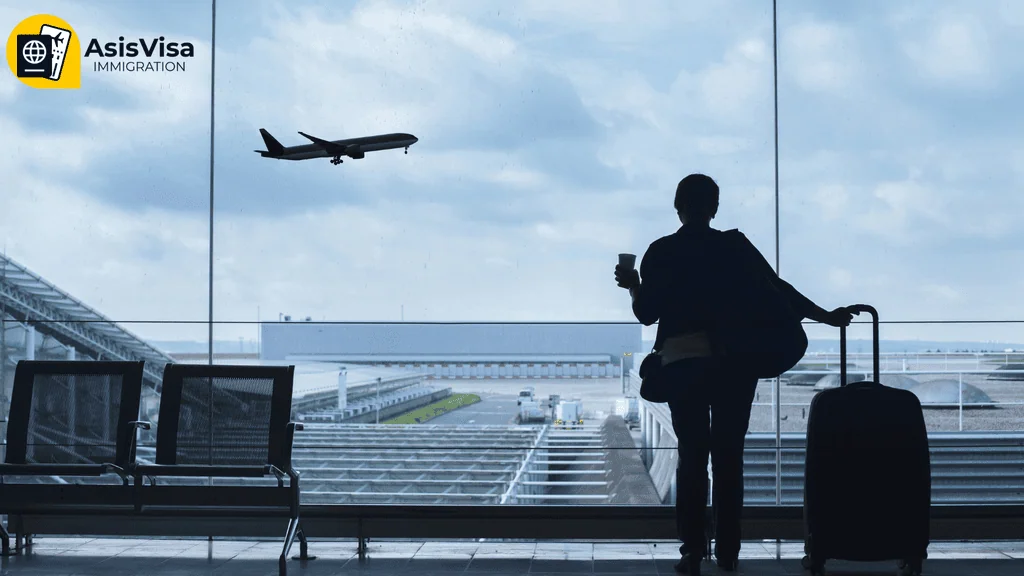
In recent days, President Donald Trump announced the strengthening of immigration controls through the presence of agents from US Immigration and Customs Enforcement (ICE) in airports in the United States.
This announcement comes amid recent immigration decisions and has generated concern among travelers, students, and people with ongoing immigration processes.
Beyond the news, it's important to understand what this means in practice and how it may impact those planning to travel within or to the United States.
Although immigration authorities already operate at points of entry into the country, this type of measure could translate into stricter controls.
This may include:
Not all travelers will be subjected to these checks, but it is a context that requires greater caution, especially for those with sensitive immigration situations.
It is essential to have all the documentation in order:
Having expired or incomplete documents can cause problems during the verification process.
People with pending asylum applications, whether affirmative or in court, should proceed with caution.
At airports, authorities may review your case and ask additional questions that could complicate your situation.
At international airports, authorities have greater powers to verify the immigration status of travelers.
This means they can:
That's why it's important to travel with all your documents organized and available.
If your immigration status is not completely clear or is in process, it is best to avoid non-essential travel.
Before making a decision, assess the potential risks and how they might affect your case.
Some profiles need to analyze any movement more carefully:
Each case is different, so it is important not to generalize and to evaluate the individual situation.
Immigration policies can change and be applied differently depending on each case.
That's why:
Having professional advice allows you to make informed decisions and reduce risks.
The presence of ICE at airports does not mean that all travel is a problem, but it does require greater attention and preparation.
Before you travel, make sure you:
At AsisVisa we offer personalized advice to help you understand your immigration status and make decisions with greater confidence.
If you have any doubts about whether you can travel in this context, we recommend consulting a professional before doing so.
Your peace of mind is also part of the process.
What does it mean for an EB-2 NIW visa to be valid? In the world of immigration...
Changes to the H-1B Visa: Higher salaries and specialized profiles will now be prioritized. Did you know...
Obtaining a tourist or student visa for the United States can be a process...