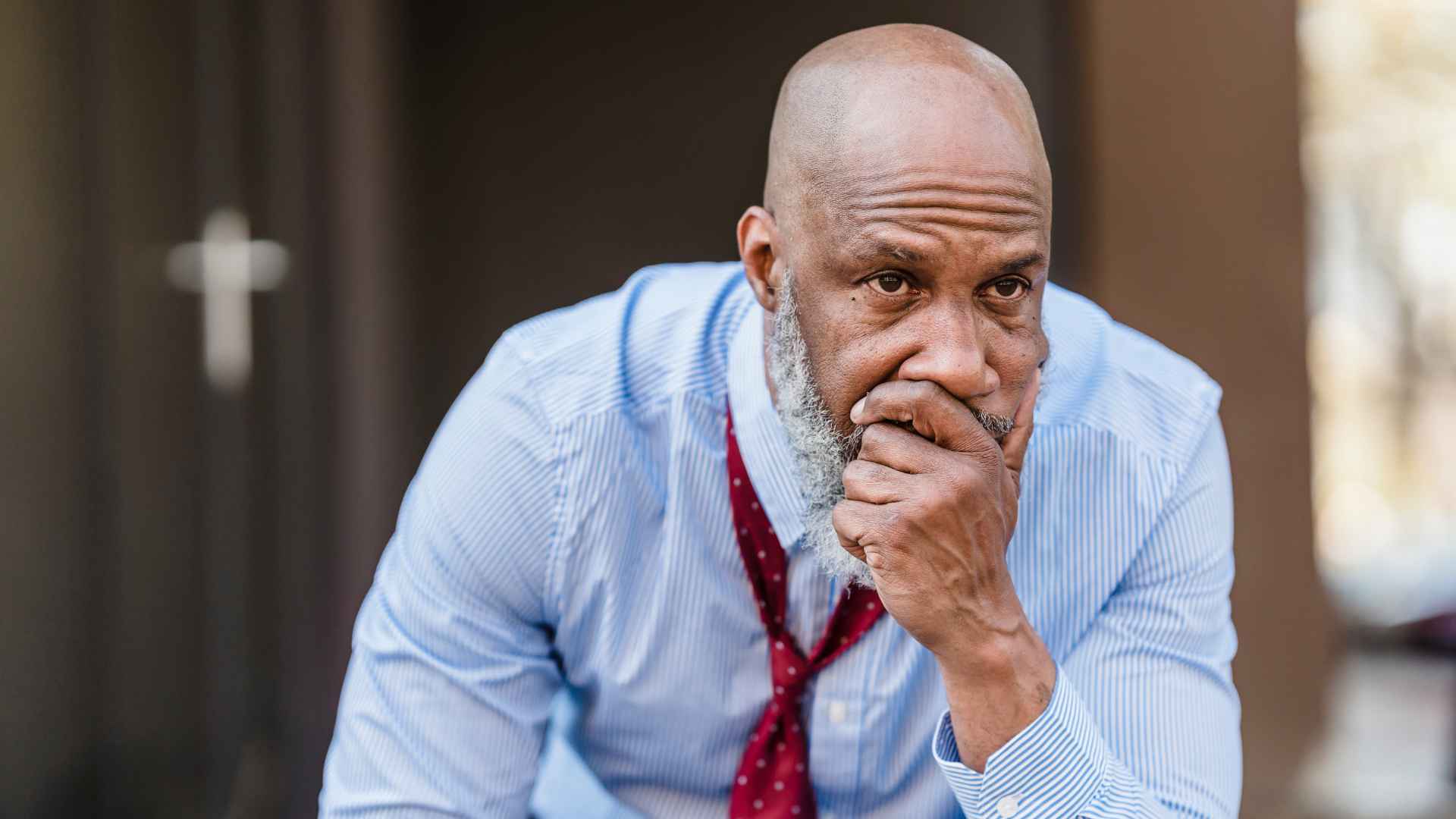
From American citizen to undocumented immigrant in the United States

Life changed for Raúl Rodríguez in 2018 when federal investigators showed him a Mexican birth certificate bearing his name. It was then that Rodríguez realized the U.S. birth certificate he had used for decades was fraudulent. He was not a U.S. citizen. He was an undocumented immigrant.

According to his estimates, he helped deport thousands of people while working for CBP and, before that, for the Immigration and Naturalization Service. Suddenly, he found himself at the opposite end of the spectrum, fighting for the chance to stay in the U.S. * U.S. Customs and Border Protection (CBP)

After placing him on leave during the investigation, Rodriguez says CBP fired him in 2019 because he was not a U.S. citizen and therefore no longer met the requirements to work as an agent.

But now, almost five years later, Rodriguez, 54, says he realizes he also gained something amazing after that moment when he learned he was not a U.S. citizen.

Rodríguez states that the day he received that visit, he questioned who he really was and why his father had not told him about the truth of his birth certificate.

Rodriguez is not entirely clear on how, after years of federal background checks, his Mexican birth certificate never turned up. It only came to light when Rodriguez applied for a visa for his brother.

The judge had said she planned to rule in his favor and grant him cancellation of deportation, a key step that would allow Rodríguez to become a legal resident of the United States. But there was still a catch: the law only allows 4,000 such cases to be approved each year, so, once again, Rodríguez would have to wait.

It could be years before he has a document stating that he is legally in the country, and years after that before he can become a U.S. citizen. Every day, Rodríguez checks the immigration court website for more information. And every day he sees the same word that describes his case: “pending.”.

Source: CNN en español, by Catherine E. Shoichet

International Women's Day: For a more inclusive world

Today is International Women's Day, a day dedicated to advocating for women's rightful place in society in terms of equality, participation, and empowerment. To that end, we bring you four things that should change to achieve this recognition:


WAGE GAP: According to the United Nations, women earn 77 cents per dollar for work of equal value, while men earn $1. At this rate, it will take 275 years to close the gender pay gap globally. The lack of recognition for women in the workplace must change.


FIGHT AGAINST VIOLENCE: More than five women or girls were killed every hour by a member of their own family. Of the 81,000 women and girls killed in 2021, approximately 45,000 died at the hands of their partners or other relatives, according to a report by the United Nations Office on Drugs and Crime (UNODC) and UN Women. Violence in its various forms kills and subjugates the lives of millions of women and girls worldwide.


BREAKING SOCIAL STEREOTYPESThey break with the imposed roles that prevent us from being free. Women and their role as caregivers, as emotional, sensitive, submissive, and weak beings, relegated to the home, marriage, and the private sphere… These are imposed roles that shape our lives from childhood, limiting our freedoms and our future.


RESPECT FOR DIFFERENCES: The commemoration or celebration of this day generates many divided opinions that we must respect in order to achieve a diverse yet harmonious world. That's why we're bringing you 5 ways to make the world more inclusive:

  1. Use the appropriate terms: Words matter, as they can open doors to cultivating understanding and respect.
  2. Listen to different opinions: Understanding that not everyone thinks the same is part of a world based on respect and inclusion.
  3. Challenge stereotypes: These give rise to discriminatory attitudes since people are not judged by their personality, achievements and/or abilities.


Note: "Imagine how much happier we would be, how much more freedom we would have to be ourselves, if we were not burdened by gender expectations," Chimamanda Ngozi Adichie.

Student debt relief plan in the USA

A new proposal from the Biden administration would reduce payments for millions of people who took out student loans, and could cancel up to $1,442,000 of the debt depending on the outcome of the U.S. Supreme Court hearing scheduled for March 28.

The debt forgiveness plan announced in August would cancel $10,000 in federal student loan debt for those earning less than $125,000 or households with less than $250,000 in annual income. Pell Grant recipients* would receive an additional $10,000 of forgiven debt. *Pell Grants are a key federal aid program that helps students from low-income families pay for college.

The Biden administration argues that the Student Higher Education Aid Opportunities Act, better known as the Heroes Act, gives the executive branch the power to cancel federal student loan debt in the event of a national emergency, including the COVID-19 pandemic.*

This law, originally enacted after the terrorist attack of September 11, 2001, was intended to prevent service members from being worse off financially while fighting in wars in Afghanistan and Iraq.

The lawsuit was filed by six Republican-led states that say they would be financially harmed if the debt forgiveness program goes into effect. The other case was filed by two students in Texas who do not fully qualify for debt forgiveness under the program.

Whether or not the debt is canceled will bring changes, as determined by the court's decision. While federal student loan payments are currently suspended, this will end 60 days after the case is resolved. If the case is not resolved by June 30, payments will resume 60 days after that date.

The White House says 26 million people have applied for debt relief, and 16 million have already received it. The Congressional Budget Office has said the program will cost approximately $1.4 trillion over the next three decades.

It is not clear exactly when the Supreme Court will issue its decision, but justices normally publish their rulings at the end of the current term, which is usually in late June or early July.

Sources: CNN en Español, Telemundo 52

Immigration dissatisfaction among Americans

The level of dissatisfaction among Americans regarding immigration has increased in the last two years. mainly due to the migration crisis at the border with Mexico, where in the last fiscal year the government detained more than 2.3 million undocumented immigrants, most of them seeking asylum.

According to a Gallup poll, the majority of the dissatisfied group (64% equivalent to 40% of US adults) He states that he wants migration to decrease. In turn, 81% of the Americans surveyed said they were dissatisfied because they want it to increase, while the remaining 151% are dissatisfied but want the level to remain the same or said they were unsure.

On the border with Mexico, where the migrant crisis of those trying to enter the United States shows no signs of abating, it is often at the center of immigration news. Meanwhile, a counter-movement is also growing: the number of Americans who settle in the neighboring country.

In 2022, a total of 11,518 Americans received temporary resident cards in Mexico, According to data from the Ministry of the Interior (Segob) of the Latin American country, the number of deaths has nearly doubled compared to the previous year, when a total of 9,086 were recorded. In other words, from 2020 to 2022 the figure almost doubled.

Although moving from the US to Mexico is a good deal for Americans who save on rent, food, and utilities, this is not necessarily the case for locals (Mexicans) who have seen housing prices rise due to demand from foreigners.*

Today, thanks to remote work, some Americans "move to Mexico because it's cheap, not because they really want to participate in the local culture or because they're interested in Mexico," says Professor Fernando Bustos of Anáhuac University.

For Americans, living in Mexico is a profitable option, while for those who migrate to the USA, it is often the only way to seek a better life. quality of life.

Source: CNN, Telemundo and Univision.

40 tunnels discovered between the United States and Mexico

While President Trump was building more than 482 km of his border wall, between 2017 and 2021, Customs and Border Protection discovered almost a new tunnel per month; within these tunnels, the longest ever discovered was found, which was about 731 meters long.

The construction of the border wall, which cost $1.4 billion, has not served its intended purpose, as it has not prevented smugglers from building 40 tunnels under the border or using ladders or power tools to cross it.

It is unknown how many migrants or drug traffickers managed to cross these tunnels. What is known is that the longest one, discovered in 2016, was equipped with rails, ventilation systems, lights, and even a sophisticated elevator, according to a summary of a 2016 press release from the U.S. Attorney's Office for the Southern District of California.

This is how former President Trump described the wall in response to warnings about the potential for tunnels. According to the Science and Technology Directorate of the U.S. Department of Homeland Security, it has been concluded so far that no current technology is adequate for detecting tunnels under the border.

Federal authorities have detected more than 75 cross-border smuggling tunnels since 2011, most of them in California and Arizona. It is important to note that the border wall is breached nearly 11 times a day; the number of breaches reached 4,101 in 2022, the highest number recorded during that period, according to a summary of a statement from the U.S. Attorney's Office for the Southern District of California. 

Source: Cato, Justice.gov, El Mundo

Political games have left Dreamers uncertain.

More than 590,000 dreamers are once again facing uncertainty due to a request from 9 Republican-led states to end the Deferred Action for Childhood Arrivals (DACA) program.

Many of those affected see this request as a legal threat against the program, which since 2012 has protected from deportation more than half a million dreamers, who arrived in the country irregularly as children and are seeking temporary status to live and work in the USA, as reported by CBS News.

Dreamers have pressured Joe Biden to fulfill his commitment to provide them with a path to citizenship (since there is currently no such path) through comprehensive immigration reform, which he had promised to implement within his first 100 days in office.

Many of the hopeful promises that could be seen at the beginning of the Biden administration under his government program are fading more and more each day for the more than 11 million undocumented immigrants in the United States and the immigration challenges that keep coming.

This new lawsuit, led by 9 Republican states*, is the third lawsuit against DACA expected to reach the Court.
The lawsuit argues that the program is illegal and seeks to overturn it. Furthermore, it hopes that this request will abolish the program's renewal process, which allows applications every two years.

The uncertainty for thousands of migrants covered by the DACA program continues, and is further compounded by the fear of other migrants who have not yet been able to join the program due to an amendment issued by Judge Andrew Hanen, declaring DACA illegal.

No dates have yet been set for the next hearings, nor for the issuance of their final sentence, which has left almost 700 dreamers in legal limbo.

Source: Telemundo, CNN

«"Welcome Corps" private sponsorship for refugees in the United States

“WELCOME CORPS” PATROCINIO PRIVADO PARA REFUGIADOS EN USA

The Biden administration unveiled a new program called “Welcome Corps” that will allow groups of permanent residents and citizens to sponsor refugees from around the world to live in the United States.

Many define this program as a measure to fulfill at all costs the commitment to implement a private sponsorship program to resettle refugees in the United States, as instructed in Biden's executive order since February 2021.

This program will be implemented in 2 stages:

  1. Participating private sponsors will be connected with refugees whose cases have already been approved for resettlement. The State Department will begin coordinating sponsors with refugees arriving during the first six months of 2023.
  2. It will be launched in mid-2023, and private sponsors will be able to identify refugees to send to the US Refugee Admissions Program (USRAP) for resettlement purposes.

During the first year of the program, the State Department will seek to motivate 10,000 Americans to apply as sponsors to host at least 5,000 refugees.

According to the program, groups of at least 5 people can apply to sponsor refugees and help them adjust to life in the USA, with the support of a consortium of non-profit resettlement organizations.

Sponsor groups must raise a minimum of US$1,275 per refugee, but they are not obligated to provide ongoing financial support to the refugees they sponsor. The support they provide will be fixed for the first three months, and they must ensure continued financial support for the refugees as needed for two years.

The migration process for a refugee is not an easy task; finding a school, a job, learning how to get around, having financial support, and other everyday things takes time. All of these tasks would have to be taken on by a group of 5 or more Americans.
Now, the main concern that remains is whether sponsors will actually come forward for this arduous task.

Source: State Department and CNN en Español

Migrants in the United States will be able to report labor abuses without fear of legal retaliation.

Unfortunately, undocumented migrants are subject to far more abuse than people with legal immigration status. It's very common for them to be underpaid, forced to work in unsanitary conditions, or forced to work in environments that put their lives at risk.

Many work environments create unfair, low-paying, and unsafe conditions in the labor market, perpetuating illegal and inhumane acts by employers toward migrants, who are often afraid to report abuses for fear of deportation or immigration retaliation.

However, this will no longer be the case, as the U.S. Department of Homeland Security (DHS) announced that undocumented workers who are victims or witnesses of labor rights violations can now report them without fear of legal retaliation and can request deferred action, which protects workers from threats by employers.

U.S. Citizenship and Immigration Services stated that through these new efforts, and with the support of labor agencies, it will be possible to protect the dignity of the workers who drive the American economy, the U.S. labor market, and workplace conditions. *U.S. Citizenship and Immigration Services

This new measure is also expected to encourage many workers to assert their rights by reporting violations they have suffered or observed and to cooperate in investigations of labor standards.

How can you apply?

In order to submit the application, the worker must:

  • Complete a written request signed by the worker.
  • Letter from employment agency supporting the application
  • Evidence about the case
  • Identification tests
  • Attach the 3 required forms.

Thanks to this new measure, people who are granted deferred action may be eligible for employment authorization, provided they demonstrate financial need.

Source: USCIS

The United States, Mexico, and Canada seek to curb illegal crossings

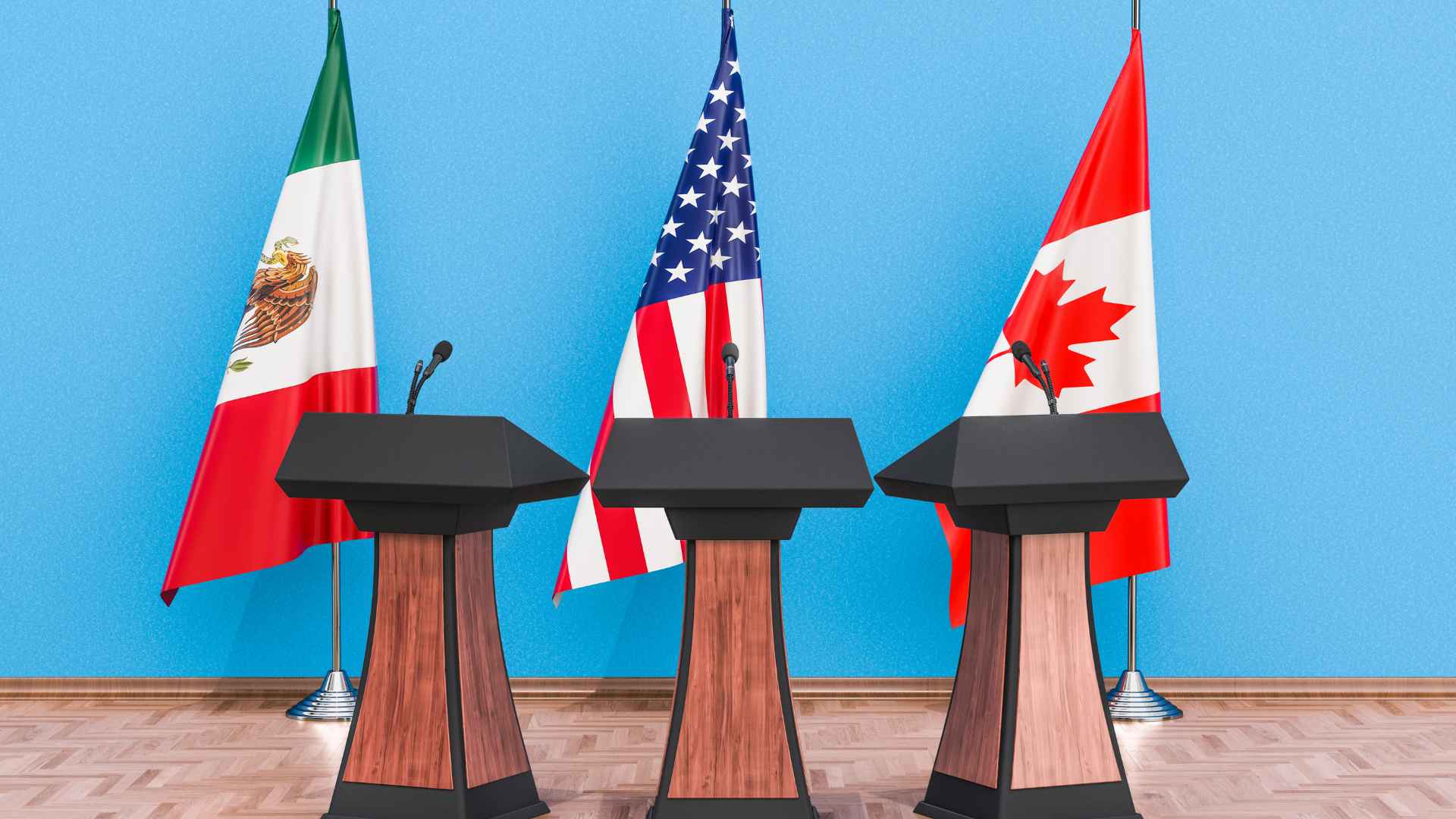
The United States, Mexico, and Canada are using a digital platform to require migrants to check their eligibility for any programs before beginning their journey to the border, so they can receive travel authorization. Otherwise, they will be immediately deported from all three countries.

This new strategy, described as the latest in a series of North American efforts, comes at a time of unprecedented movement in the Western Hemisphere and is designed to combat the root causes of irregular migration, defined as the flight of thousands of people from their countries of origin due to poverty, lack of opportunities, violence, drug trafficking, government corruption, and the effects of climate change, among other reasons.

SMOKESCREEN?
The reality of immigration in the United States has faced changing patterns that pose unique challenges for Joe Biden; however, many question whether this measure will be yet another of the many soft policies that have NOT contributed to controlling the immigration crisis and HAVE generated strong criticism among Republicans and Democrats.

TO COVER THE SUN WITH ONE FINGER
One of the main points of the agreement was the announcement of the creation of this digital site with access to information regarding legal pathways available to emigrate to the three countries, an initiative that the USA has been using since last year to receive immigrants from Ukraine and Venezuela, and for the last few weeks to Cubans, Haitians and Nicaraguans.

IT WAS TIME TO REACH AN AGREEMENT
Through this plan, they seek to implement “practical steps to improve coordination and address the root causes of irregular migration” in the region, which has reached an unprecedented level of migration, with migrants fleeing their countries in search of asylum, primarily at the southern border of the United States.*

*The agreements include the opening of a migrant center in Tapachula on the southern border of the United States.

IT WAS TOO MUCH FOR BIDEN
Many believe that the immigration issue has gotten out of President Joe Biden's control, which is why he is seeking, through this alliance with Mexico and Canada, to stop the flow of migrants from the main source countries such as Venezuela, Nicaragua, Cuba, and El Salvador.

MEANWHILE?
During this summit, Mexico, the US, and Canada strengthened their relationship and affirmed their commitment to building a more equitable, fair, inclusive, resilient, secure, and prosperous North America.
Now, we can only wait to see how much of what was discussed at this summit can be put into practice to achieve more equitable results that respond to the needs and aspirations of migrants.

Do you think this digital platform will work for such an advanced migration problem?

FOUNTAIN: Editorial Staff/With information from Univision/CNN

New US visa fees 

President Joe Biden's administration proposed a series of fee increases for some visas and immigration procedures in order to fully recover its operating costs and return to full operation. 

The reality behind the increased visa fees is that no increases had been implemented since 2016, and furthermore, there was a drastic reduction in 2020 due to Covid-19. Even with these reasons for the fee increase, many people fear it could affect their access to visas.

However, the proposal seeks to increase, among other things, the prices of employment visas, but will maintain the prices of humanitarian visas and non-immigrant visas. 

«"The new fees would allow USCIS to more fully recover its operating costs, restore and maintain timely case processing, and prevent future backlogs," the agency said in a statement Tuesday.

Another major reason is that since 2020, due to closures caused by the COVID-19 pandemic, there has been "a drastic reduction in new applications, resulting in a temporary drop in revenue," which is why the agency has reduced its ability to adjudicate cases on time, according to USCIS.

The agency did not establish changes to non-immigrant visas, such as B1-B2 tourist visas.

Some visas and procedures that would increase in price: 

Some of the most notable changes in the increase in visa and immigration processing prices are those related to skilled workers with H-2A, L or O visas.

H-1B visas, for highly skilled workers, would increase from US$ 460 to US$ 780 once the proposal takes effect.

The H-2A visa, for foreign workers who come to do agricultural work, would increase from US$1,460 to US$1,090, a 1,371% increase.

L-type visas, for workers with specialized knowledge, would increase from US$$ 460 to US$$ 1,385, an increase from 201%

H-3, E (investor), O (persons with extraordinary achievement or ability), P (for renowned individuals, whether athletes or artists), Q (cultural exchange), R (religious workers), or TN (NAFTA Temporary Professionals) visas would increase from US$$ 460 to US$$ 1,015, an increase in the fee of US$1,21%

Investor visa applications could increase from US$ 3,675 to US$ 11,160

The electronic registration fee for the H-1B visa would increase from US$ 10 to 215, a rise from 2050%.

The naturalization process, through form N-400, would go from US$ 640 to US$ 760, an increase of 19%.

The application for permanent residence registration, made using form I-485, would change from US$ 1.140 to US$ 1.540. This form allows verification of whether the person requesting the service is eligible to obtain legal residency or a green card.

USCIS said it would preserve the fee waiver for vulnerable and low-income populations, as is currently the case, in addition to adding new waivers for some humanitarian programs.

USCIS expects that with this proposal it can collect an average of US$5.2 billion per year in fiscal years 2022 and 2023. With the addition of premium processing for some visas, total revenue is projected at US$6.4 billion per year. 

The rates will not change immediately, but in about 60 days, until the final rule comes into effect once public comments have been made, which began on January 4 of this year and end on March 6, 2023. 

News report compiled using information from: BBC News, USCIS News, Federal Register