US states with anti-immigrant policies

During the last year, immigration policies have become stricter in order to control irregular migration, a situation that has led Texas, North Carolina and Florida to propose anti-immigrant laws.

Texas: HB20 Law
The new plan hopes to punish each undocumented crossing into Texas with fines of $10,000.
This law seeks to create a controversial border protection unit. It would allow civilians to join a group led by a chief appointed by the governor to "hunt" immigrants for deportation purposes.

North Carolina, HB10
In North Carolina, they are seeking to have agents and officials actively cooperate with Immigration and Customs Enforcement (ICE).
According to Stefania Arteaga, an activist with Carolina Migrant, in counties like Mecklenburg, an initiative similar to HB-10 called 287(g), which operated between 2006 and 2018, resulted in 15,000 people being placed in deportation proceedings. Two out of every three of those people had been arrested for minor offenses, such as traffic violations.

Florida, Law SB1718

Florida Governor Ron DeSantis signed SB1718 on May 10, 2023, the strictest law against illegal immigration, which includes:
Mandatory use of the E-Verify system by employers to verify the work authorization of employees.
Prohibition of the use of driver's licenses from other states by undocumented people.
Severe penalties for transporting undocumented immigrants to Florida.
Requirement for hospitals to collect information on patients' immigration status during registration.

Learn about the organizations that provide resources and support to migrants:
Several national organizations provide valuable resources and support to immigrants in the USA. Here are some examples:

  1. The National Immigration Law Center (NILC) is a leading organization advocating for the rights of low-income immigrants. The NILC website offers a variety of resources, including guides on immigration law, immigrant rights, and access to healthcare and education.
  2. The ACLU's Immigrants' Rights Project protects immigrants' rights, challenges discriminatory policies, and provides legal support.
  3. United We Dream is the largest immigrant youth-led organization in the country. They advocate for the rights and dignity of immigrant communities, with a focus on immigrant youth.
  4. The National Network for Immigrant and Refugee Rights (NNIRR) is a network of organizations and advocates committed to advancing the rights of immigrants and refugees. They work to challenge unjust immigration policies, promote immigrant rights, and support community initiatives.

Sources: Telemundo, Univision, Enlace Latino NC and La Noticia.

New proposal for immigration reform in the United States to allow migrants to obtain citizenship

With an uncontrollable migration situation and thousands of migrants stranded in Mexico, Representative Maria Elvira Salazar will present a bill in Congress this Tuesday that addresses the most complex issues that have kept the two main political parties (Republicans and Democrats) apart on immigration reform.

According to Salazar, this is the first bipartisan immigration bill introduced in Congress in the last 10 years, which contemplates creating a legal path to citizenship for the estimated 12 million undocumented immigrants already in the country, while allocating billions of dollars to increase border security, an effort that would be paid for by the immigrants themselves.

The idea behind this bill is that it would be fully paid for by immigrants already in the U.S., with the exception of those who have committed a crime. The program would grant immigrants authorization to work and live for seven years under a program called "Dignity Status," which would cost $1,400. After those seven years, immigrants would qualify for "Redemption Status," which would lead to citizenship at a cost of another $1,400.

The bill contemplates acquiring state-of-the-art technology to better monitor the border, building an impenetrable border infrastructure system, which would include improved physical barriers, and hiring more border patrol agents.

Furthermore, this project would also modify current asylum regulations by creating five “humanitarian campuses” for those awaiting immigration status. The construction of these centers would end the catch-and-release practice, in which undocumented immigrants are released while their cases are being processed.

It should be clarified that the facilities would prevent the separation of family members and immigrants would have a resolution of their cases within 60 days, after which applicants would know if asylum has been approved, denied or is pending, in which case they would be allowed to be free while wearing an ankle monitor.

With this new immigration reform proposal, it is hoped that a bipartisan agreement can be reached that will contribute to offering real and dignified solutions to the immigration situation in the United States.

Source: The New Herald and Dallas News.

Florida's toughest law against undocumented immigrants is enacted

Governor Ron DeSantis, of the Republican party, declares a new law against illegal immigration in Florida, which states that:

  • It requires companies with at least 25 employees to verify the immigration status of the workers in a federal database called E-Verify, and creates penalties for employers who knowingly employ "unauthorized aliens".
  • It requires some hospitals to request information about immigration status of patients in admission records.
  • It will not be possible transporting people without status. It will be a crime that can result in up to 5 years in prison or a fine of $5,000 per person.
  • Some driver's licenses and identifications issued by other states to undocumented immigrants They will not be valid in Florida

When does it come into effect?
This new regulation, which will take effect in July, will serve to address the growing threat of irregular migration, a result, according to the governor, of the Biden administration's failure to secure the borders.

Sources: CNN, NBC News

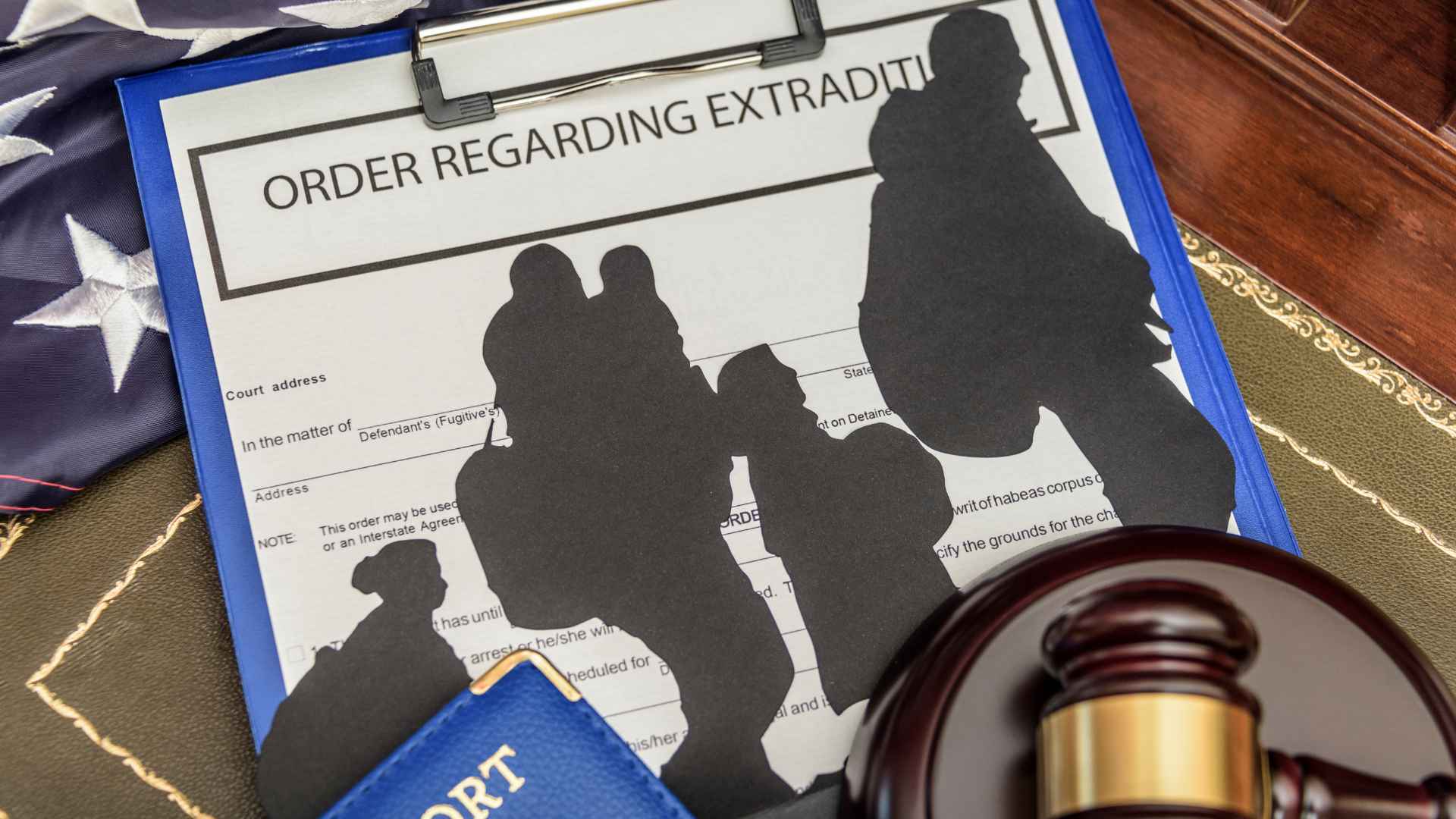
Even without Title 42, the United States will continue deporting under Title 8

This May 11th, Title 42 will be repealed in the United States, a public health policy that allowed for the expedited expulsion of undocumented immigrants due to Covid-19.

Despite the end of Title 42, immigrants will continue to be deported under Title 8. According to this law, migrants will face more severe consequences for crossing the border illegally. People who cross the border without first requesting asylum will be expelled from the U.S.

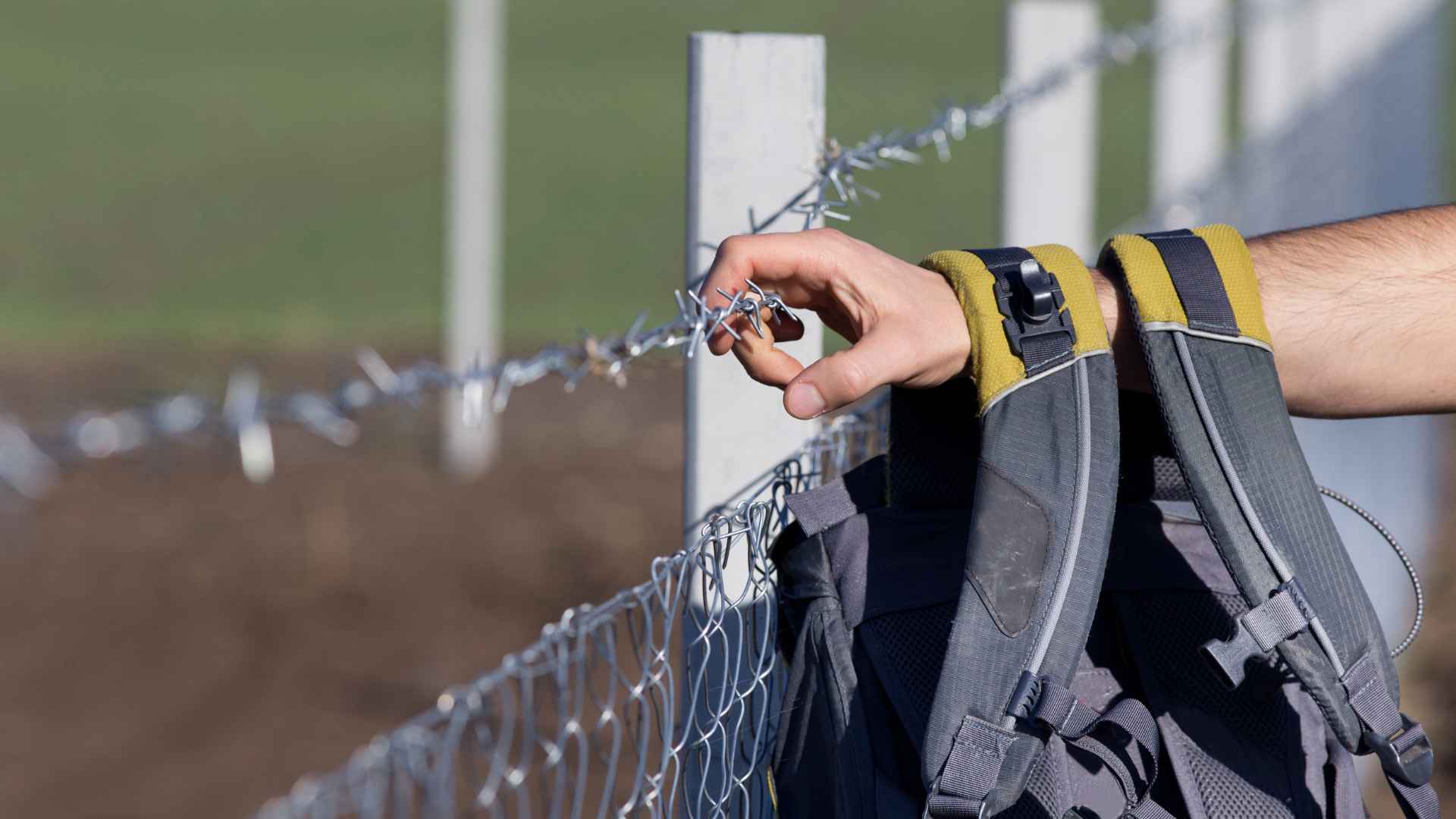
Among the measures taken by the US is the installation of barbed wire fences in various parts of the border before Title 42 expires. In addition, Greg Abbott, Governor of Texas, ordered the deployment of more than 500 National Guard troops along the southern border of the state. He called the operation a "border tactical force" and intends to use it to curb illegal immigration.

According to the Department of Homeland Security, the number of deportees during the first half of fiscal year 2023 returned “225,480 people, up from 170,896 during the same period of the previous year,” and expelled “more than 440,000 people under Title 42 during the same period.”.

In the need to control a mass exodus, the USA stated that it will create special centers and offices in countries like Colombia and Guatemala, in order to contribute to the processes of family reunification and migration to the North American country in an orderly and legal manner.

The tension surrounding the new implementation of Title 8 has both the United States and Mexico in a state of uncertainty that can only be resolved on May 11 when Title 42 expires.

New Family Reunification Parole for Colombians, Guatemalans, Hondurans, and Salvadorans in the United States

The State Department (DOS) and the Department of Homeland Security (DHS) announced on Thursday a new regional immigration strategy from the Biden administration, a plan that aims to promote legal immigration to the United States, reduce pressure on the southern border with Mexico, and increase penalties for undocumented immigration.

This new policy seeks to control a massive exodus of migrants that could trigger the lifting of Title 42 on May 11, a policy that was implemented to stop the spread of COVID-19, but which has been used by the Trump and Biden administration to expedite the expulsion of immigrants at the border, affecting more than 2.2 million in 3 years.

The goal of this new policy is to reduce the opportunities for undocumented immigrants and create new pathways through Advance Parole* for El Salvador, Guatemala, Honduras, and Colombia. *Advance Parole is a document issued by USCIS (United States Citizenship and Immigration Services) that allows you to legally leave the U.S. This document is for certain immigrants who intend to travel and do not want to jeopardize their immigration status.

Lifting Title 42 will not give free rein to migrants who wish to enter illegally across the border, as they will continue to use Title 8 to expedite the deportation of inadmissible aliens, especially those who enter irregularly across the US border.

Those who do not follow the established rules will face serious consequences, including a re-entry ban of at least 5 years and possible criminal prosecution for repeated attempts to enter the USA illegally.

Those eligible for family reunification will receive parole in the USA, as well as the possibility of applying for a work permit.

At AsisVisa, we can advise you on family reunification processes, as well as on Humanitarian Parole applications. To do so, we need to schedule a consultation with our lawyer to review your case and determine the best course of action.

Source: Univision, Telemundo and Caracol.

A new migrant caravan is heading from southern Mexico toward the US border.

Nearly 3,000 migrants set out north from southern Mexico to demand an end to detention centers like the one that caught fire last month, killing 40 migrants.

The migrants say their goal with this massive protest march is to reach Mexico City to demand changes in the treatment of migrants.

Among the changes that migrants are demanding is the dignified treatment that migrants deserve and justice for the compatriots who died in the fire that occurred in a migrant detention center in Mexico.

The march organizer, Irineo Mujica, stated that the migrants are demanding the dissolution of the country's immigration agency, whose officials have been blamed, and some charged with homicide, in the March 27 fire that occurred at the jail, referred to as a migrant detention center.

The walk, called Via Crucis, refers to the mistreatment, humiliation, bad experiences, abuse of authority, irresponsibility, and repeated omissions by officials towards migrants in detention centers.

Mass mobilizations are used as a mechanism for raising awareness, since small groups of migrants are not heard. It is hoped that this march will bring justice and clear answers for the families of the migrants who died in Ciudad Juárez.

The issue of migrant caravans to the USA is very complex. Long-term political and humanitarian solutions are needed to address the root causes of migration, as well as measures to improve the safety and security of migrants during their journey to destination countries.

Source: El País, CNN en español and Telemundo

The United States seeks to expand legal avenues to regulate the irregular flow of migrants in the Darien Gap

Some 90,000 people have crossed this dangerous jungle between Panama and Colombia. More than 87,000 migrants crossed the Darién Gap in the first three months of the year, mainly from Venezuela, Haiti, and Ecuador—nearly 14,000 more than in the same period last year.

Following the end of Title 42, the plan to reduce the irregular flow of migrants has three elements: the campaign against human trafficking, the expansion of legal pathways to receive migrants, and investment to create better conditions in countries of origin, thereby controlling migration to the USA.

In light of the uncontrolled migration in the Darién Gap, the United States is seeking to focus its efforts, along with Panama and Colombia, on curbing the growing flow of migrants by arresting the leaders of human trafficking networks, explained Katie Robin, director of cross-border affairs at the White House National Security Council, on Thursday. However, it remains to be seen how much of this political rhetoric can be translated into practical action.

These legal pathways include expanding refugee programs, employment opportunities, and family reunification. The US is also asking other countries in the region to contribute to the plan, such as Canada's recent initiative to legally receive approximately 15,000 more people from the Americas this year.

The plan is to welcome migrants to the USA and offer them more legal pathways, hoping to dissuade them from risking their lives without knowing if they will have any legal support from the United States. Will this strategy actually work?

In 2022, a record 250,000 migrants crossed the Darién Gap, 60% of them Venezuelan. The UN estimates that 400,000 migrants will cross the Darién Gap in 2023.

Faced with the surge in migrants, the Biden administration used Title 42 to prevent Venezuelans from seeking asylum at the border. Instead, it announced it would accept up to 24,000 Venezuelans arriving by plane after their Humanitarian Parole application was approved.

With this new plan, it is hoped that measures can be taken against irregular migration and to ensure the safety of those who seek opportunities in the American country at all costs.

Source: Telemundo

Illegal plot: Donald Trump

Donald Trump became the first former US president to face charges on Tuesday. The 76-year-old politician and businessman appeared in a Manhattan court, where the judge informed him of 34 charges against him related to a payment for the silence of a former porn actress with whom he allegedly had a relationship.

FOR SHOWING OFF | The payment itself wouldn't be illegal, but Trump allegedly recorded it as a business expense. In New York, falsifying business information is illegal.

«"The state of New York alleges that Donald J. Trump repeatedly and fraudulently falsified New York business records to cover up crimes that concealed potentially damaging information from voters during the 2016 presidential election," he said.

The whole case revolves around the payment of US$1,440,130,000 that Trump's then lawyer and right-hand man, Michael Cohen, made in 2016 to the lawyer of porn actress Stormy Daniels so that she would keep quiet about the alleged extramarital relationship she had had with Trump and not harm the presidential candidacy of the real estate mogul that was beginning to take off.

Paying money to buy someone's silence is not considered a crime in the United States. And in New York, falsifying company documents is only considered a minor offense, a misdemeanor. But it becomes a more serious crime if it is determined that there is evidence that it was committed to facilitate or cover up another crime.

In the USA, violating the spying law is extremely serious; anyone other than Trump would already be indicted and would have to appear before a grand jury, but because it involves a former president, it would create a monumental scandal.

The search warrant for the home of former US President Donald Trump (2017-2021), published this Friday, reveals that the former president took classified material home, which could have violated the Espionage Act, in addition to obstructing the work of the Justice system.

The case is rejected by former President Trump, who believes it is politically motivated and part of a "witch hunt" against him to curtail his presidential aspirations in the 2024 election.

Source: El País and BBC

38 migrants died in a fire at a detention center in Mexico

The tragic fire at the National Migration Institute (INM) facility on the border in El Paso, Texas, has claimed the lives of 38 migrants and left 28 injured. The INM is one of the main crossing points for migrants seeking to enter the United States.

According to José María Ramos, a researcher at El Colegio de la Frontera Norte, nearly 800,000 migrants have been detained by U.S. authorities so far this fiscal year, of which at least 60% pass through Ciudad Juárez, which has become the main crossing point for irregular migration between the two countries in the last five months.

Experts and activists say the intense influx of migrants has overwhelmed shelters and official immigration facilities in Ciudad Juárez, where nearly 12,000 migrants have been given refuge.

A similar situation is occurring in New York City, where some 44,000 migrants have been received, which is why it has been proposed to send these people to Canada.
According to Mexican civil society organizations, 2022 was the deadliest year on record for migrants in Mexico, with approximately 900 deaths while attempting to cross into the United States. The region is experiencing an unprecedented migration flow, with 2.76 million undocumented immigrants apprehended at the U.S.-Mexico border in fiscal year 2022.

Following these tragic events, we must await the information that the investigations will provide. It is crucial to acknowledge that the Mexican government was responsible for the safety of these migrants and should have had an emergency protocol in place to save their lives. This incident serves as a stark reminder of the urgent need for more comprehensive solutions to address the challenges faced by migrants seeking to enter the United States.

Sources: Telemundo, CNN en español

1 in 5 Latinos suffer from hunger in the United States

According to the Food Research and Action Center, African American and Latino communities suffer the most from hunger in the USA due to systemic racism, which results in higher levels of poverty, lack of access to healthy food, and wage discrimination, among other causes.

Of the 38 million people suffering from food insecurity in the USA, 11 million are Latinos, 9.5 million are African Americans and 2.4 million are Native Americans, according to a new study by Feeding America.

For a household struggling to pay for housing, utilities, transportation, and other necessities, the added burden of high food prices can have a significant impact on the household budget.

This is because nutritious foods tend to be expensive, and therefore often out of reach for low-income populations. For this reason, measures should be taken to address food inequities and help make food more accessible to millions of people, according to Kymberly Graham, vice president and head of diversity initiatives at NielsenIQ, a global data and analytics company.

The best way to reduce food insecurity is by supporting and donating to programs or organizations that help alleviate food insecurity. Organizations like Feeding America, a network with over 200 food banks, help provide 6.6 billion meals to people in need across the United States.

Source: CNN, Feeding America, Food Research and Action Center.