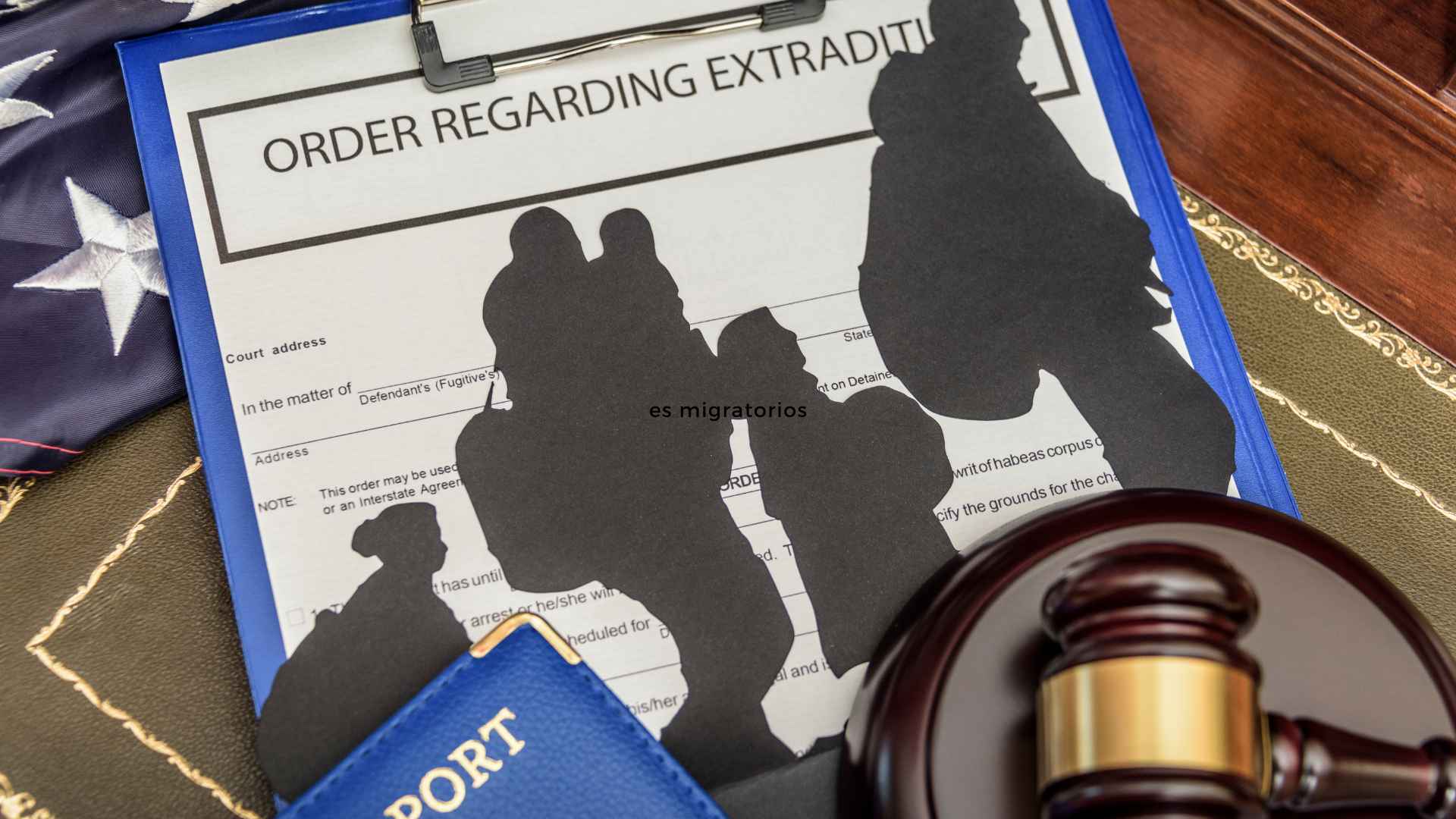
Increase in “in absentia” deportation orders against immigrants

Around 173 immigrants received deportation orders between August and September 2021, which is 9 times more than the 20 orders issued between January and July of this year, according to court data.

Between January and May 2021, there were only one or two deportation orders issued in absentia per month, while in June, 14 were registered in these courts. However, in August there were 63 and in September 110 deportation orders. The San Francisco Chronicle warns that the figures for October may be similar.

These numbers have increased considerably because immigration judges in San Francisco, California, have increased the number of "in absentia" deportation orders issued against immigrants who failed to appear for their hearings, the Chronicle newspaper warned on Monday.

These decisions have generated several criticisms from immigrant advocates because deportation orders are being imposed on immigrants who did not receive court notifications because they were returned and categorized by the postal service as undeliverable, in addition to warning that the courts were notifying immigrants of hearings by sending mail to incorrect addresses.

According to the Transactional Records Access Clearinghouse (TRAC) at Syracuse University, the figures for fiscal year 2021 ended with a backlog of 1,457,615 cases awaiting resolution in U.S. immigration courts.

However, immigration attorney Fernando Romo told EFE that in some cases these deportation orders issued in absentia can be challenged in court. Among the grounds for reopening the case is the argument that the immigrant was never notified by the court.

Biden's new plan seeks to spend $100 billion to address problems in the immigration system

President Joe Biden is seeking, through the new $1.75 trillion social plan presented this Thursday, October 28, to include a $100 billion allocation to reform the immigration system in accordance with the Senate's reconciliation rules.

After having presented two proposals for the social plan, the Democrats are now trying to push through a Plan C, which is expected to grant humanitarian parole status, including work authorization and protection from deportation for certain undocumented immigrants.

According to a statement issued by the White House, the budget would be used to reduce court delays, expand legal representation, and “make the asylum and border processing system more efficient and humane.”

However, Biden did not specify whether the plan will include a path to citizenship for undocumented immigrants, as Democrats had already promised given the impossibility of passing immigration reform due to Republican opposition.

The new social program will be admitted to Congress through the reconciliation process, a legislative mechanism that will allow it to pass despite Republican obstruction. However, Congress requires that the package be limited at the budgetary level, so it must be reviewed by Senate rules advisor Elizabeth McDonough to determine if it can be passed through reconciliation.

The House of Representatives released a preliminary draft of the bill, which includes a provision allowing undocumented immigrants who arrived in the United States by 2010 to apply for legal status. The House bill also includes a provision to reclaim up to 226,000 unused visas.

Some detained migrants will receive minimum wage in the United States

A federal jury determined that The GEO Group, a for-profit detention center, must pay a minimum wage to detained immigrants who perform jobs such as cooking or cleaning within its facilities in Washington state.

“This multibillion-dollar corporation illegally exploited the people it detained to line its pockets,” Washington Attorney General Bob Ferguson said in an emailed statement. «Today’s victory sends a clear message: Washington will not tolerate corporations enriching themselves by violating people’s rights.».

The jury will determine how much money is owed to the detained immigrants who worked at the facility, a sum presumed to reach millions of dollars. Federal Judge Robert Bryan will decide how much The Geo Group must pay the state of Washington for the charge of unjust enrichment at the expense of the detainees.

The detention center being sued argued that the inmates were not employees under Washington's Minimum Wage Law. It added that even if they were, it would be illegal and discriminatory for Washington to require GEO to pay minimum wage to inmates working in its own prisons or other detention facilities.

Washington appears to be the first state to sue a private detention contractor for failing to pay wages to detained immigrants. However, similar lawsuits have already been filed by detained immigrants in other states, including New Mexico, Colorado, and California, seeking to compel GEO and another major private detention company, CoreCivic, to pay detainees minimum wage.

This news story was created from AP News

Agreement established to accelerate reunification of migrant children

The court settlement ends the secret program of the Donald Trump administration and will benefit families in the United States who seek custody of unaccompanied minors, who will be able to wait in freedom while their cases are resolved.

An agreement between the U.S. government, the American Civil Liberties Union (ACLU), and a group of lawyers will expedite the reunification process for unaccompanied minors detained at the border and prosecuted under the 1997 Flores Settlement Agreement.

The court agreement states that “unaccompanied minors cannot be deported; rather, an immigration judge must decide their future in the United States.” It also adds that they cannot be detained for more than 72 hours in Border Patrol facilities and must be released into the custody of the Department of Health and Human Services (HHS), which then refers them to the Office of Refugee Resettlement (ORR).

The ACLU said the agreement reached "establishes a set of timelines for the government to schedule fingerprinting appointments and complete fingerprint processing for parents and sponsors seeking to reunite with children in government custody.".

The agreed timeframes are between “seven business days for an appointment and 10 business days for processing” of family reunifications.

The American Civil Liberties Union stated that the Trump administration “used fingerprinting and background checks to delay the release of immigrant children detained by immigration authorities.” This resulted in the children being separated from their parents for extended periods, adding weeks and months to their time in government custody, the rights group reported.

Finally, the civil rights organization reported that the procedure will be applied to all children nationwide in the custody of the Office of Refugee Resettlement (ORR) and the Department of Homeland Security (HHS). This marks the end of the secret program developed in 2018 by then-President Trump as part of his "zero tolerance" immigration policy. Ultimately, the agreement will prevent the future resumption of such harmful policies that hinder the reunification of families separated at the border.

News report based on information from: Univision

Having a clear immigration status gives you inexplicable peace of mind. With AsisVisa you can do it safely, and you'll discover that emigrating is faster, easier, and more convenient than you thought.

Schedule your initial consultation https://www.asisvisa.com/consulta-legal